

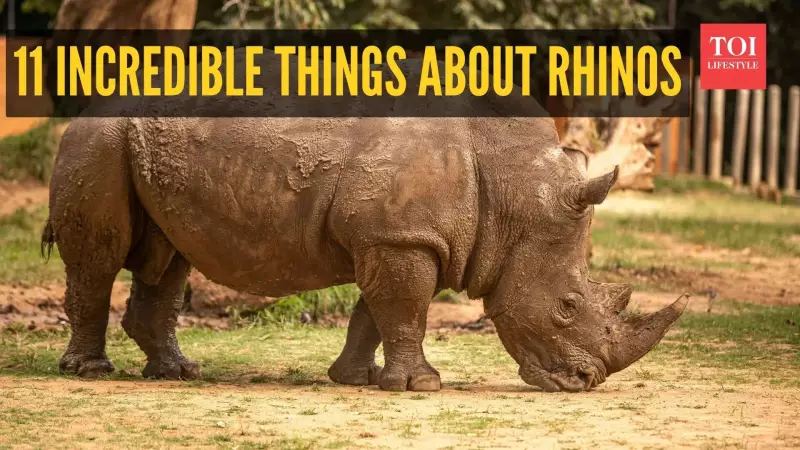
Rhinos have captured global attention, becoming a trending topic in wildlife conservation and safari tourism. Their impressive size, iconic horns, and unique behaviors make them a favourite subject for nature lovers. As awareness about endangered species grows, understanding these magnificent creatures highlights their critical role in ecosystems. Here are some incredible facts that reveal the surprising world of rhinos.
The Anatomy of a Giant
The white rhino holds the title as the largest rhino species, with some individuals weighing over 3,500 kilograms. This immense size makes it the second-largest land mammal on Earth, trailing only the elephant. Despite their powerful build, white rhinos are typically calm grazers, spending their days feeding on grass.
One of the most common misconceptions is about their famous horns. Rhino horns are not made of bone but are composed of keratin, the same protein that makes up human hair and fingernails. This composition gives the horn a unique combination of strength and flexibility, which rhinos use for defense, digging for water, and social interactions with other rhinos.

Unique Physical Adaptations
Supporting their massive weight requires special adaptations. Rhinos have feet with a distinctive three-toed structure. This design provides exceptional balance and stability, allowing them to move quietly and efficiently across various terrains, from grasslands to muddy grounds.
The reproductive cycle of rhinos is another remarkable aspect. Female rhinos undergo one of the longest gestation periods among land mammals, lasting an impressive 15 to 16 months. This extended pregnancy ensures the calf is born strong and well-developed, ready to survive in the wild. It also underscores the deep protective nature rhino mothers have for their young.
Why Rhino Conservation Matters
The fascinating biology and behavior of rhinos make them an irreplaceable part of our natural world. However, they face significant threats from poaching and habitat loss. Learning about these incredible animals is the first step towards appreciating their value and supporting the vital conservation efforts aimed at protecting them for future generations.






