

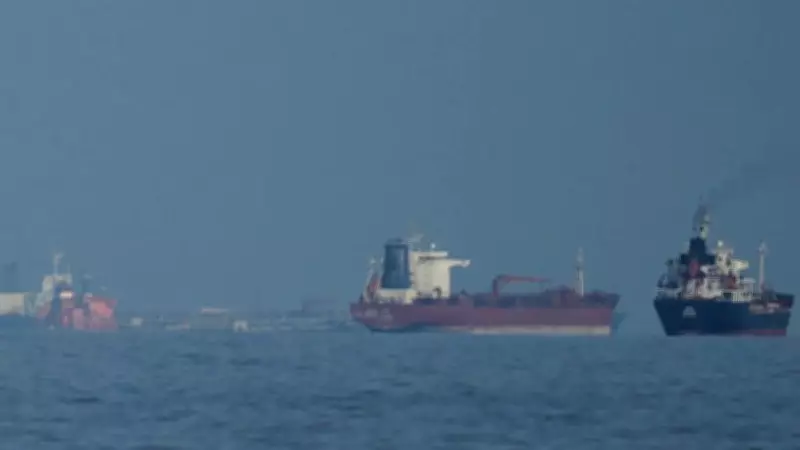
International Coalition Forms to Secure Strait of Hormuz Amid Rising Tensions
In a significant development for global maritime security, over twenty nations have come together to vow safe passage for ships through the strategically vital Strait of Hormuz. This collective action comes as a direct response to recent attacks attributed to Iran, which have heightened fears over the stability of this crucial chokepoint for international oil shipments.
Condemnation of Iranian Aggression
The participating countries have issued a strong condemnation of Iran's aggressive actions in the region. These attacks, which have targeted commercial vessels, are seen as a serious threat to the free flow of trade and energy resources. The coalition's statement emphasizes the need for immediate de-escalation and adherence to international maritime laws to prevent further disruptions.
This unified stance underscores the global concern over Iran's destabilizing behavior, which risks sparking broader conflicts and economic turmoil. The nations involved, spanning multiple continents, have pledged to coordinate efforts to monitor and protect shipping lanes, ensuring that vessels can navigate the strait without fear of harassment or attack.

Pledge for Safe and Unhindered Passage
The core of the coalition's commitment lies in its vow to support the safe and unhindered passage of all ships through the Strait of Hormuz. This includes:
- Enhanced naval patrols and surveillance to deter potential threats.
- Diplomatic initiatives to engage with regional stakeholders and promote peaceful resolutions.
- Logistical and intelligence-sharing mechanisms to bolster collective security efforts.
By pooling resources and expertise, these nations aim to create a robust framework that can swiftly respond to any incidents, thereby safeguarding one of the world's most important maritime corridors. The strait is a lifeline for global oil supplies, with approximately one-fifth of the world's petroleum passing through its narrow waters daily.
Implications for Global Trade and Energy Security
The formation of this coalition has far-reaching implications for international trade and energy security. Any disruption in the Strait of Hormuz could lead to:
- Spikes in oil prices, affecting economies worldwide.
- Increased insurance costs for shipping companies, potentially slowing down global commerce.
- Geopolitical tensions that might escalate into larger conflicts.
The proactive stance taken by these nations is a clear signal that the international community will not tolerate actions that jeopardize maritime safety. It also highlights the growing recognition of the need for multilateral cooperation in addressing complex security challenges in volatile regions.
As the situation evolves, the coalition's efforts will be closely watched by markets and policymakers alike. The commitment to safe passage represents a critical step towards stabilizing the region and ensuring that vital trade routes remain open and secure for all nations.






