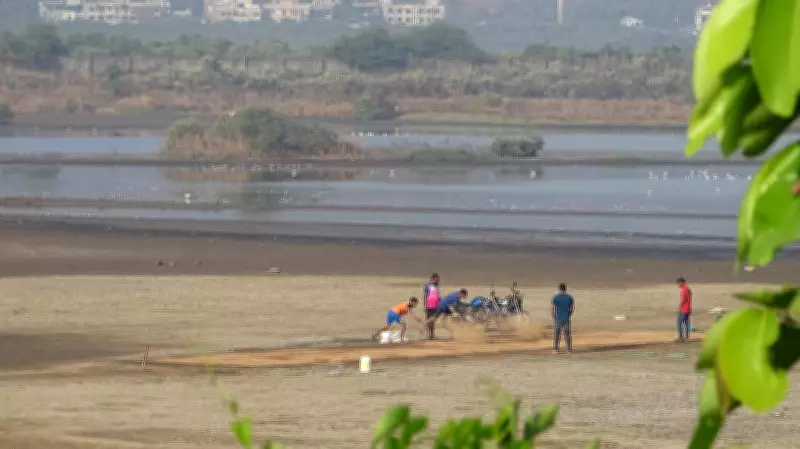
Over 23,000 Maharashtra Wetlands Await Legal Protection Amid Bureaucratic Delays
More than two decades after India developed the satellite-based National Wetland Atlas, the official notification and legal safeguarding of these critical ecosystems in Maharashtra remain a distant goal. This alarming situation has been highlighted by the environmental watchdog NatConnect Foundation, which obtained crucial information through the Right to Information (RTI) Act.
Decades of Inaction Despite Comprehensive Survey
The National Centre for Sustainable Coastal Management (NCSCM) conducted an extensive satellite survey that identified over 23,000 wetlands across Maharashtra. However, the process to grant these wetlands legal protection has been mired in bureaucratic red tape. The delay persists despite the clear environmental necessity and the availability of detailed scientific data.
Environmental advocates express deep concern over the prolonged inaction. The NatConnect Foundation emphasized that without official notification, these wetlands remain vulnerable to encroachment, pollution, and degradation. This lack of protection undermines national efforts to conserve biodiversity and manage water resources sustainably.

RTI Revelations Expose Systemic Failures
The information obtained under the RTI Act reveals a significant gap between policy formulation and implementation. The National Wetland Atlas, prepared years ago, was intended to serve as a foundational tool for wetland conservation across India. Yet, in Maharashtra, the translation of this data into actionable legal frameworks has stalled.
The bureaucratic delays highlight broader challenges in environmental governance. Stakeholders point to fragmented administrative processes, lack of inter-departmental coordination, and insufficient political will as key factors hindering progress. The situation calls for urgent reforms to streamline procedures and prioritize ecological conservation.
Implications for Biodiversity and Climate Resilience
Wetlands play a crucial role in maintaining ecological balance, supporting diverse flora and fauna, and enhancing climate resilience. The failure to protect Maharashtra's wetlands could have far-reaching consequences:
- Loss of habitat for numerous species, including migratory birds.
- Reduced groundwater recharge and increased vulnerability to droughts.
- Heightened risk of flooding due to diminished natural water absorption capacity.
- Erosion of traditional livelihoods dependent on wetland resources.
Experts warn that further delays in notification could exacerbate environmental degradation and compromise sustainable development goals. The need for immediate action is underscored by the escalating impacts of climate change and urbanization.
Call to Action and Future Prospects
The NatConnect Foundation and other environmental groups are urging state and central authorities to expedite the notification process. They advocate for:
- Establishing clear timelines for wetland notification and protection.
- Enhancing inter-agency collaboration to overcome bureaucratic hurdles.
- Leveraging technology for continuous monitoring and enforcement.
- Engaging local communities in conservation efforts to ensure long-term sustainability.
As Maharashtra grapples with these challenges, the case of its wetlands serves as a critical test of India's commitment to environmental stewardship. The resolution of this issue will not only safeguard vital ecosystems but also set a precedent for wetland conservation nationwide.