

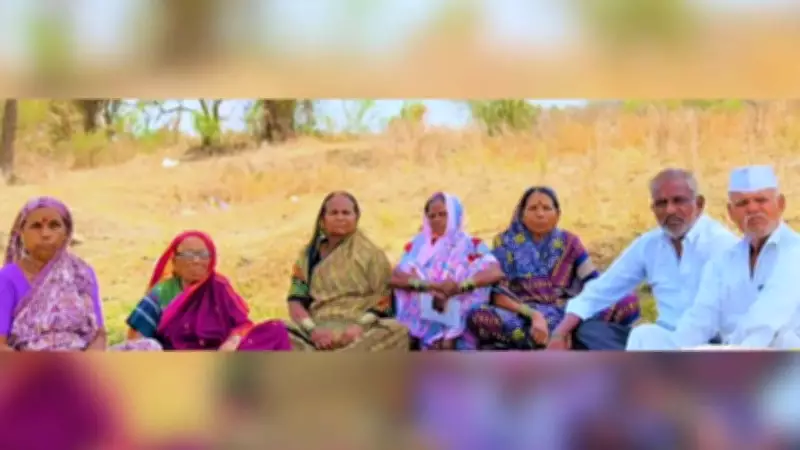
A pioneering study has highlighted the severe challenges that elderly individuals aged 60 and above in rural areas face due to climate risks such as heat waves, floods, and droughts. According to the report by HelpAge India, a significant 78% of older persons surveyed experienced at least one climate-related hazard in the last three years. Heatwaves were the most commonly reported hazard at 45%, followed by floods at 27% and droughts at 20%.
Study Coverage and Methodology
The study covered 2,224 elderly people from 20 districts across 10 states, with five villages surveyed in each district. Many respondents reported repeated climate events, increasing pressure on their ability to recover and adapt. The report notes that heat stress poses major challenges, particularly for those living in kutcha or poorly ventilated houses, with around 60% of this group reporting that their homes are not fully safe.
Impact on Health and Daily Life
While most affected by heatwaves stay indoors (90%) and increase water intake (81%), illness still rises (74%), existing health conditions worsen (44%), and access to healthcare becomes difficult (33%). The study was released on Monday to mark World Elder Abuse Awareness Day, observed annually on June 15, and calls for a focus on 'Climate Resilient Ageing: Ensuring Care, Dignity and Agency.'

Vulnerable Groups and Barriers
More than one-third of those exposed to hazards reported moderate to severe impacts on their lives. Older persons living alone (13%), widows (33%), those aged 80 and above (28%), and those with cognitive, communication, or mental health difficulties (12%) face disproportionately greater challenges. Financial constraints are the single largest barrier to resilience, reported by 69% of respondents, followed by health limitations, inadequate information, weak institutional support, and community-level challenges.
Government Support and Gaps
Most older persons view government schemes and disaster-related services positively, with 62% considering available support sufficient during climate events. However, satisfaction declines sharply among those with poor health, insecure housing, financial dependence, social isolation, and severe disaster impacts. Among those who perceive support as inadequate, the most significant gaps relate to healthcare services during climate shocks (62%), financial assistance and social protection (51%), emergency response (41%), and disaster preparedness and early warning systems (38%).
Recommendations and Future Priorities
Rohit Prasad, CEO of HelpAge India, emphasized that while government schemes provide a critical safety net, a more multi-pronged approach is needed. Integrating ageing into climate adaptation, climate financing, elder-centric disaster risk reduction, and social protection policies is essential. Looking ahead, respondents identified greater financial support (72%) and improved healthcare access (51%) as the two most important priorities for strengthening resilience.
The survey covered elderly women and men in Andhra Pradesh, Bihar, Gujarat, Karnataka, Kerala, Madhya Pradesh, Maharashtra, Odisha, Tamil Nadu, and Uttarakhand. The analysis also draws from focus group discussions, interviews, and case studies. The report concludes that climate resilience is not determined by hazards alone but by the resources and support systems available to older persons before, during, and after climate shocks.






