

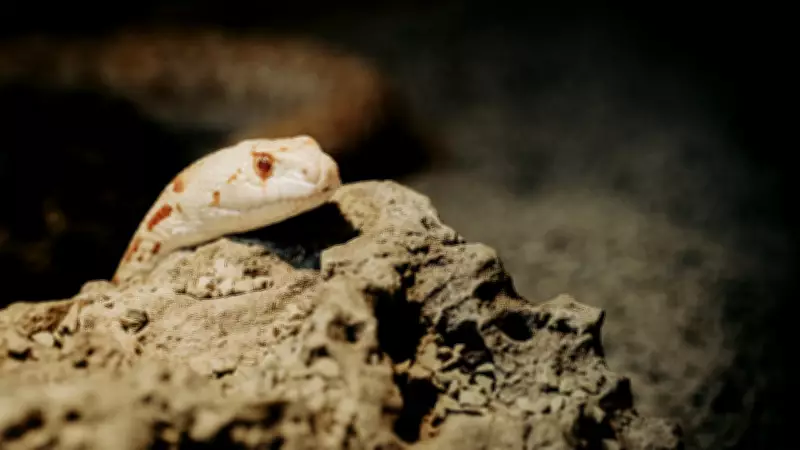
8 Most Rattlesnake-Infested Areas From Canadian to Mexican Mountain Ranges
Rattlesnakes are among the most iconic and feared reptiles in North America, known for their distinctive rattling sound and potent venom. These snakes thrive in diverse mountain habitats, from the chilly peaks of Canada to the arid slopes of Mexico. Understanding where they are most prevalent is crucial for hikers, outdoor enthusiasts, and local communities to ensure safety and coexistence. This article explores the eight most rattlesnake-infested areas across these vast mountain ranges, providing insights into their habitats and risks.
1. The Rocky Mountains, Canada and USA
The Rocky Mountains, stretching from British Columbia in Canada to New Mexico in the United States, are a prime habitat for rattlesnakes, particularly the prairie rattlesnake. These snakes are commonly found in rocky outcrops, grasslands, and forested areas at elevations up to 9,000 feet. The warmer southern sections, such as Colorado and Arizona, see higher densities due to favorable climates. Hikers in this region should remain vigilant, especially during summer months when snakes are most active.
2. The Sierra Nevada, USA
California's Sierra Nevada range is home to the northern Pacific rattlesnake, which inhabits lower elevations and foothills. These areas, including Yosemite National Park and Sequoia National Forest, provide ample prey and shelter. Rattlesnake encounters are frequent in spring and fall, as snakes emerge to bask in the sun. Visitors are advised to stick to marked trails and avoid tall grass or rocky crevices where snakes may hide.

3. The Cascade Range, USA and Canada
Extending from British Columbia to Northern California, the Cascade Range hosts rattlesnakes like the western rattlesnake in its drier eastern slopes. Volcanic terrain and sparse vegetation create ideal conditions for these reptiles. Popular hiking spots, such as Mount Rainier and Mount Hood, have reported sightings, emphasizing the need for caution. Wearing sturdy boots and using trekking poles can help detect snakes before close encounters.
4. The Appalachian Mountains, USA
In the eastern United States, the Appalachian Mountains are infested with timber rattlesnakes, especially in states like Pennsylvania, West Virginia, and Georgia. These snakes prefer deciduous forests and rocky hillsides, often near water sources. Conservation efforts are in place due to declining populations, but encounters still occur in remote areas. Educating locals about snake behavior and first aid is key to reducing conflicts.
5. The Chihuahuan Desert Mountains, Mexico and USA
The Chihuahuan Desert, spanning parts of Mexico and the southwestern U.S., features mountain ranges like the Sierra Madre Oriental, which are heavily infested with rattlesnakes such as the Mojave and black-tailed species. Arid climates and rugged terrain make these areas hotspots for snake activity. Ranchers and tourists should beware of hidden snakes under rocks or in burrows, particularly during dawn and dusk.
6. The Sonoran Desert Mountains, Mexico and USA
Home to the iconic western diamondback rattlesnake, the Sonoran Desert mountains, including the Santa Catalina and Baboquivari ranges, are among the most rattlesnake-dense regions. High temperatures and abundant rodent populations support large snake communities. Urban expansion into these areas has increased human-snake interactions, prompting calls for habitat preservation and public awareness campaigns.
7. The Coastal Ranges, USA
Along the Pacific Coast, from Washington to Baja California, coastal ranges harbor rattlesnakes like the red diamond rattlesnake. These snakes adapt to varied environments, from chaparral to coastal scrub. Beachgoers and hikers in areas like Big Sur or the Olympic Peninsula should watch for snakes in dunes and cliffs. Keeping pets on leashes and avoiding sudden movements can prevent bites.

8. The Mexican Volcanic Belt, Mexico
The Trans-Mexican Volcanic Belt, including peaks like Popocatépetl and Iztaccíhuatl, is infested with rattlesnakes such as the Mexican west coast rattlesnake. High altitudes and volcanic soils create unique ecosystems where these snakes thrive. Indigenous communities have traditional knowledge for coexisting with snakes, but increasing tourism raises risks. Guides recommend staying on paths and carrying antivenom kits in remote zones.
Safety Tips and Conservation
To minimize risks in rattlesnake-infested areas, follow these guidelines:
- Stay Alert: Always watch where you step, especially in rocky or grassy terrain.
- Wear Protective Gear: Use boots and long pants to reduce bite chances.
- Avoid Provocation: Do not approach or attempt to handle rattlesnakes; they usually strike only when threatened.
- Know First Aid: In case of a bite, keep calm, immobilize the limb, and seek immediate medical help.
- Support Conservation: Rattlesnakes play vital roles in ecosystems by controlling rodent populations; protect their habitats to maintain biodiversity.
By understanding these infested areas and practicing safety measures, people can enjoy North America's majestic mountain ranges while respecting its wildlife. Whether in Canada's Rockies or Mexico's volcanic highlands, awareness is the first step toward harmonious coexistence with these fascinating reptiles.





