

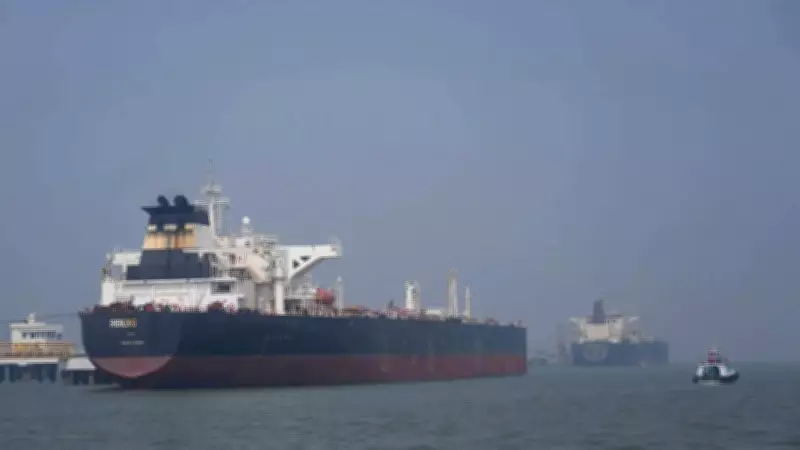
Over 90 Ships Navigate Strait of Hormuz Amid Conflict and Sanctions
According to maritime and trade data platforms, approximately 90 ships, including oil tankers, have crossed the Strait of Hormuz since the outset of the war with Iran. This activity persists even as the waterway has been effectively closed for most shipping traffic since early March.
Dark Transits and Evasion of Western Sanctions
Maritime data firm Lloyd's List Intelligence reported that many of these vessels were so-called "dark" transits, which evade Western government sanctions and oversight. These ships likely have ties to Iran, operating under the radar to bypass restrictions.
More recently, vessels with connections to India and Pakistan have also successfully crossed the strait. This development coincides with governments stepping up negotiations to manage the volatile situation.

Critical Waterway for Global Oil Supply
The Strait of Hormuz is a vital waterway for global oil and gas transport, supplying roughly one-fifth of the world's crude oil. Since early March, most shipping traffic through this strategic chokepoint has been halted due to security concerns.
Approximately 20 vessels have been attacked in the area, heightening risks for maritime operations. Despite these dangers, Iran has managed to maintain significant oil exports.
Iran's Resilient Oil Exports Defy Expectations
Trade data and analytics platform Kpler estimated that Iran has exported well above 16 million barrels of oil since the beginning of March. This figure underscores the continued resilience in Iran's oil export volumes, as noted by a Kpler trade risk analyst.
Due to Western sanctions and associated risks, China has emerged as the biggest buyer of Iranian oil. This trade relationship has helped sustain Iran's export capabilities despite international pressure.
The ongoing conflict, including recent escalations such as the US targeting Iranian missile sites near the Strait of Hormuz and Iran's attacks on Tel Aviv, has fueled fears about oil supply disruptions. The death of Iranian national security chief Ali Larijani, with Israel admitting to the strike, has further escalated tensions, raising concerns about the stability of oil transit through the region.






