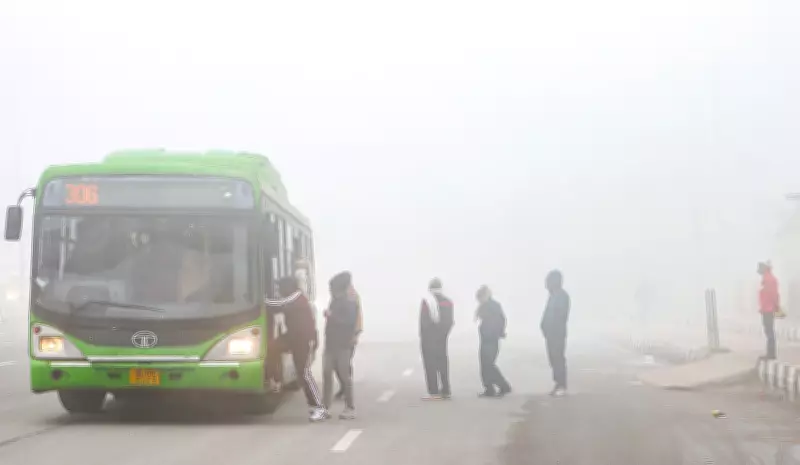
The Indian government has given the green light to a comprehensive ₹9,585 crore scheme aimed at replacing old trucks and buses in the Delhi-National Capital Region (NCR) with cleaner, more environmentally friendly vehicles. This initiative is a key step in the fight against the region's severe air pollution, which worsens significantly during the winter months.
Target Vehicles and Owners
The scheme specifically targets trucks and buses that comply with BS-IV and older emission norms and are registered in Delhi-NCR. It is expected to benefit approximately 2.07 lakh vehicle owners, including 1.91 lakh truck owners and 16,329 bus owners. By focusing on these high-emission vehicles, the government aims to make a substantial impact on air quality.
Financial Incentives for Owners
To encourage participation, the scheme offers a range of financial incentives. Vehicle owners will receive a 5% interest subvention on loans taken to purchase new vehicles. Additionally, they will be eligible for monthly fuel vouchers of up to ₹4,800 and discounts from auto manufacturers when buying new BS-VI or electric vehicles. These incentives are designed to offset the cost of upgrading to cleaner technology.

Funding and Implementation
The total financial outlay for the scheme is ₹9,585 crore, with the central government contributing ₹5,041 crore. The remaining funds come from state tax concessions. The scheme will be implemented through a digital portal that allows for real-time monitoring of progress. This ensures transparency and efficiency in the distribution of benefits.
State-Level Benefits
State governments in the NCR are also playing a crucial role by offering additional incentives. These include full registration fee waivers and up to 100% exemption on motor vehicle tax for new vehicles purchased under the scheme. Such measures make it more affordable for owners to switch to cleaner vehicles.
Environmental Impact
The primary goal of the scheme is to significantly reduce vehicular emissions in Delhi-NCR, which is one of the most polluted regions in the world. By replacing older, more polluting vehicles with BS-VI or electric ones, the initiative is expected to cut down on harmful pollutants like nitrogen oxides and particulate matter. This will help improve air quality and public health, especially during the winter months when pollution levels peak.