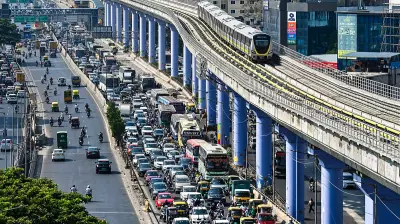
The recent editorial in Deccan Herald underscores a critical need for a temporary pause in developmental activities to restore ecological equilibrium. It highlights the escalating environmental degradation caused by rapid urbanization and industrialization, which has led to loss of biodiversity, pollution, and climate change impacts. The piece argues that such a pause is not anti-development but rather a strategic move to reassess and realign growth with nature's carrying capacity.
Understanding the Call for a Pause
The editorial points out that unchecked development has often come at the expense of forests, wetlands, and water bodies. These ecosystems provide essential services like water purification, flood control, and carbon sequestration. By halting new projects temporarily, policymakers can evaluate environmental impacts more thoroughly and implement mitigation measures. This approach mirrors successful models in other countries where moratoriums on mining or construction have allowed ecosystems to recover.
Economic and Social Implications
Critics argue that a pause could slow economic growth and affect livelihoods. However, the editorial counters that long-term ecological damage poses greater economic risks, such as loss of agricultural productivity, increased disaster costs, and health hazards from pollution. It calls for a just transition that includes retraining workers and investing in green technologies. The piece also emphasizes community participation in decision-making, ensuring that local voices are heard in environmental governance.

Policy Recommendations
To achieve ecological balance, the editorial recommends strengthening environmental impact assessments, enforcing stricter pollution norms, and promoting circular economy principles. It also advocates for legal reforms to protect ecologically sensitive areas and for greater transparency in project approvals. The role of judiciary in upholding environmental laws is highlighted, with references to landmark judgments that have halted destructive projects.
Conclusion: A Necessary Step for Sustainable Future
The editorial concludes that a temporary pause is a prudent step towards a more sustainable development model. It urges governments, businesses, and citizens to prioritize ecological health over short-term gains. By embracing this pause, India can lead the way in balancing growth with environmental stewardship, ensuring a livable planet for future generations.