Akkulam Lake Rejuvenation Project Faces Repeated Tender Delays
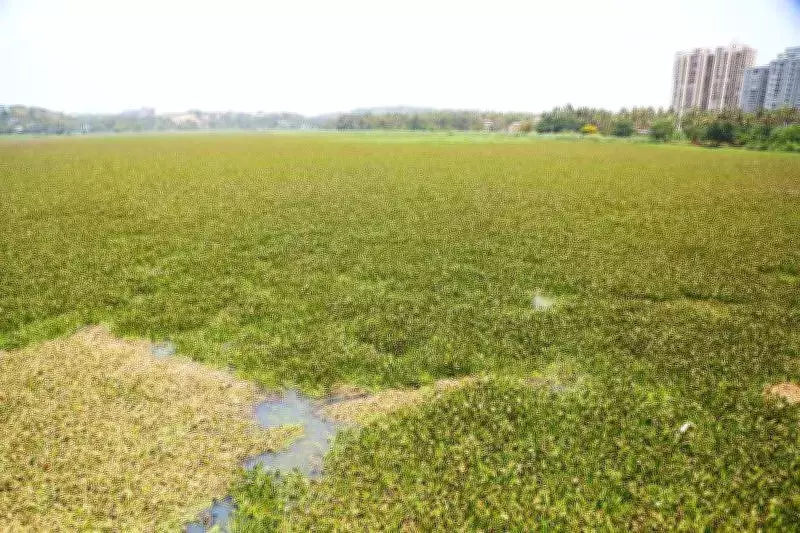
The much-needed rejuvenation of Akkulam Lake in Thiruvananthapuram is being severely affected by repeated delays in finalizing project tenders, leaving the waterbody in a deteriorating state. Once a popular recreational hub in the capital city, the lake is now heavily infested with water hyacinth and invasive weeds, raising significant environmental and public health concerns.
Project Implementation and Tender Issues
The rejuvenation project, estimated to cost between Rs 3 crore and Rs 5 crore, is being implemented by WAPCOS Ltd. However, despite floating two tenders, the agency has failed to finalize a contractor as it could not select the lowest bidder. This procedural hurdle has stalled urgent restoration measures, including the removal of water hyacinth, desilting of critical stretches, repair of damaged walkways and fencing, and reopening of basic amenities to make the lake at least partially functional.
Volunteer Efforts Amid Official Inaction
Amid official inaction, a group of young volunteers attempted to clean parts of the lake on Sunday as part of the second edition of the Swachh Sagar initiative, led by the India International Movement to the United Nations (IIMUN). The Swachh Sagar campaign mobilizes students and local communities across India to clean and protect waterbodies, and saw participation from several students and locals in this effort.

However, their efforts were largely symbolic due to the overwhelming scale of the problem. "We came here with the intention of making a difference, but the extent of pollution and spread of water hyacinth are overwhelming. Without institutional support and proper machinery, it is nearly impossible to restore the lake," said Kshitij Baviskar, a volunteer with IIMUN.
Environmental and Health Impacts
Green activists have pointed out that the unchecked growth of water hyacinth not only chokes the lake but also depletes oxygen levels, affecting aquatic life and leading to foul odour and mosquito breeding. This exacerbates public health risks and environmental degradation, making timely intervention crucial.
Officials associated with the project have acknowledged the delay but attribute it to procedural hurdles, highlighting the need for streamlined processes to expedite the lake's restoration.