Environmental Crisis Deepens at Navi Mumbai's Critical Flamingo Habitat
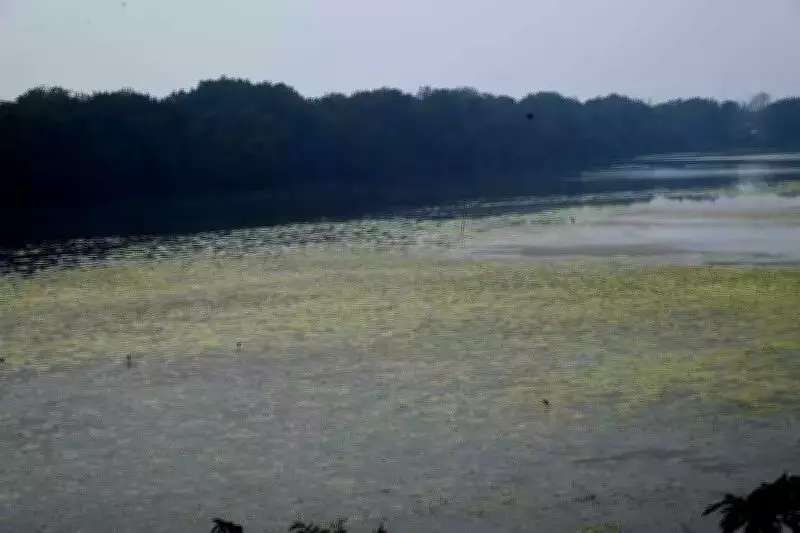
Environmental organizations have sounded urgent alarms regarding the rapidly deteriorating condition of DPS Flamingo Lake in Nerul, Navi Mumbai. This crucial satellite wetland, directly linked to the Thane Creek Flamingo Sanctuary (TCFS), faces an ecological emergency as the winter migration season progresses without the expected arrival of substantial flamingo flocks.
Algal Invasion Transforms Wetland Landscape
Vast expanses of the lake now lie smothered beneath a thick, green carpet of algae, leaving only narrow channels of open water visible. This dramatic transformation has raised serious concerns that the wetland is becoming increasingly inhospitable for flamingos and other aquatic bird species. The situation represents more than just an aesthetic problem—it threatens the very survival mechanisms of migratory bird populations.
Scientific Warnings of Potential Mass Mortality Events
The NatConnect Foundation has highlighted a Ramsar-linked study documenting flamingo mortality patterns worldwide. This research reveals that excessive algal blooms, particularly those dominated by cyanobacteria, can release dangerous toxins and trigger catastrophic mass die-offs, as historically witnessed in several major international flamingo habitats.

The study establishes several critical findings:
- While flamingos naturally feed on certain algae, uncontrolled blooms dramatically alter food quality and water chemistry in ways that can prove fatal
- Flamingos demonstrate extreme sensitivity to changes in feeding conditions and water quality parameters
- These birds frequently abandon otherwise familiar wetlands once specific ecological thresholds are breached
Urgent Appeals for Immediate Intervention
NatConnect has submitted an urgent representation to the Maharashtra Mangrove Cell, demanding immediate removal of excessive algal growth and comprehensive restoration of the lake to make it suitable for flamingo habitation. "This is no longer a cosmetic issue. The lake is visibly stressed," emphasized B N Kumar, director of NatConnect Foundation, pointing to stagnant algal mats that have significantly reduced dissolved oxygen levels while severely limiting available feeding grounds.
Sandeep Sareen of the Navi Mumbai Environment Preservation Society (NMEPS) reported that the situation has worsened considerably in recent weeks. Algae deposits initially observed on the eastern side of the lake have shifted to the western side due to tidal inflows, where they have now settled and accumulated.
Monitoring Failures and Suspicious Developments
The persistence of this ecological crisis raises serious questions about monitoring effectiveness, especially considering that the Mangrove Cell maintains continuous monitoring teams at the site. Sareen expressed additional concerns about previously observed mysterious froth formation in parts of the lake, suggesting possible attempts to sabotage the wetland ecosystem. Despite bringing these developments to the attention of concerned officials, no substantive action has followed.
Conservation Status Without Effective Management
DPS Flamingo Lake was declared a conservation reserve following public outcry over the mysterious deaths of several flamingos last year, though the formal government resolution remains pending. "Conservation status without active, on-ground ecological management risked remaining symbolic rather than effective," cautioned V K Gandhi, president of NMEPS, highlighting the gap between official designation and practical protection.
Migration Patterns Disrupted as Habitat Quality Declines
According to nature enthusiasts and birdwatchers, a small reconnaissance group of flamingos briefly arrived at TCFS last month, possibly to scout habitat conditions, but subsequent sightings have dropped sharply. Flamingos typically arrive in the Mumbai region by October or November each year.
Experts attribute the delayed migration partly to prolonged monsoon conditions and sustained water availability in the Rann of Kutch, which may have reduced the immediate urgency for southward movement. However, once birds begin actively scouting winter habitats, the quality of local wetlands becomes absolutely decisive.

Satellite wetlands like DPS Flamingo Lake function as essential secondary habitats, providing crucial feeding and resting grounds that reduce pressure on the core sanctuary while allowing flamingos to spread safely across the landscape. The degradation of these supporting ecosystems threatens the entire migratory network that sustains these magnificent birds in the Mumbai metropolitan region.