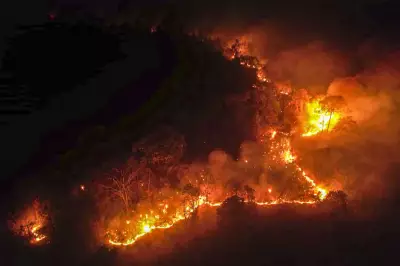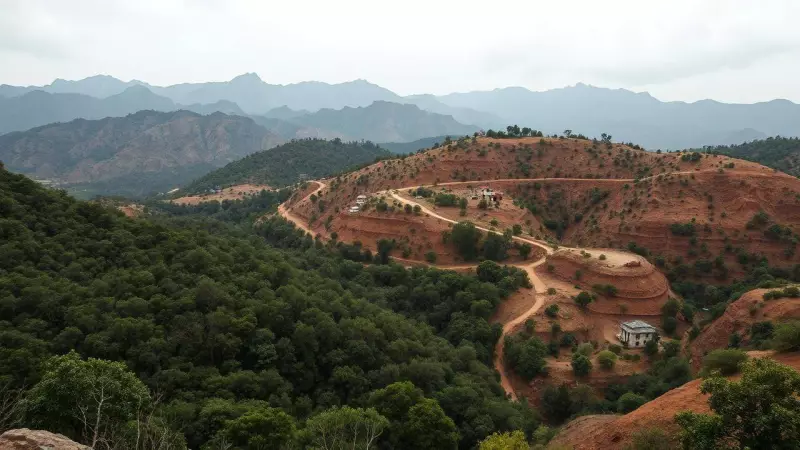
A new study has delivered a stark warning about the ecological health of the Aravali ranges. The research reveals that human activities are causing severe damage to this ancient mountain system.
Multiple Threats to a Fragile Ecosystem
According to the report, several destructive forces are at work. Encroachments on forest land, widespread deforestation, and rampant illegal mining are the primary culprits. Expanding urban infrastructure is adding further pressure. These activities have collectively inflicted serious harm on the region's natural functions.
The study specifically highlights a sharp decline in the area's ability to recharge groundwater. Biodiversity is suffering, air quality is deteriorating, and the mountain range's crucial role in climate regulation is weakening.

Launch of the Critical Report
The research, titled 'Eco-restoration of the Aravali Landscape,' was formally launched on Wednesday. Union Environment Minister Bhupender Yadav presided over the event. He emphasized the global significance of the Aravalis, calling them one of the world's oldest mountain systems.
Minister Yadav described the range as a vital ecological barrier for the National Capital Region and the vast Indo-Gangetic plains. He expressed deep concern over the severe threats it now faces.
Historical Damage and Current Consequences
The report points to historical decisions that set the stage for today's crisis. It notes that large-scale diversion of forest land occurred around the Sariska and Bardod wildlife sanctuaries before the 1980s. This action triggered a sharp drop in native forest cover.
The consequences of that loss are now fully apparent. Wildlife habitats have been fragmented, and critical water catchment areas have been disrupted. The study area shows highly degraded and fragmented forest patches.
Invasive plant species have taken advantage of the weakened ecosystem. Prosopis juliflora, Lantana camara, and Parthenium hysterophorus are suppressing native biodiversity. These invaders are actively altering the ecological functions of the land.
A System Under Immense Stress
The fragile Aravali ecosystem stretches across four Indian states and 29 districts. It supports the lives of over 50 million people. The study warns that unsustainable land use and rapid urbanisation are pushing this system to its limits.
The combined pressures have critically weakened the Aravali's role as a green barrier. This acceleration of desertification now threatens the broader ecological stability of northern India.
Human Dependence and Resource Strain
The research sheds light on how local communities interact with the forest, often out of necessity. In the pilot study area, every single village depends entirely on groundwater for irrigation. This heavy reliance is contributing directly to aquifer depletion and increasing stress on the forests.
Over 43 percent of households gather essential resources from the forests. They collect firewood, fodder for livestock, and medicinal plants. Women play a particularly key role in this resource collection. The report notes that alternative livelihood options for these communities remain very limited.
A Path Forward: Proposed Restoration
Despite the grim findings, the study proposes a concrete solution. It outlines a site-specific, community-inclusive model for eco-restoration. The pilot for this model would focus on four villages in Gurugram's southern Aravali belt.
The aim is to create a framework that other regions can replicate. This model would combine scientific assessment with strong local participation and adaptive governance. The report identifies two essential measures for building climate resilience: strategic afforestation and improved water-retention techniques.
The Sankala Foundation conducted this vital research. They received support from the Embassy of Denmark in India and the Haryana State Forest Department. The findings were reported by news agency PTI, bringing national attention to this regional crisis.