Gurgaon's Aravalli Belt Shows Alarming Environmental Decline, Study Finds
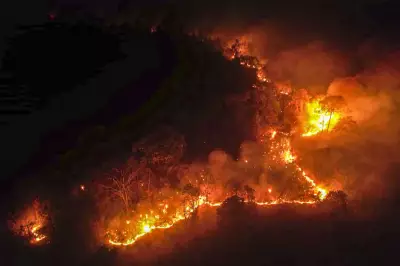
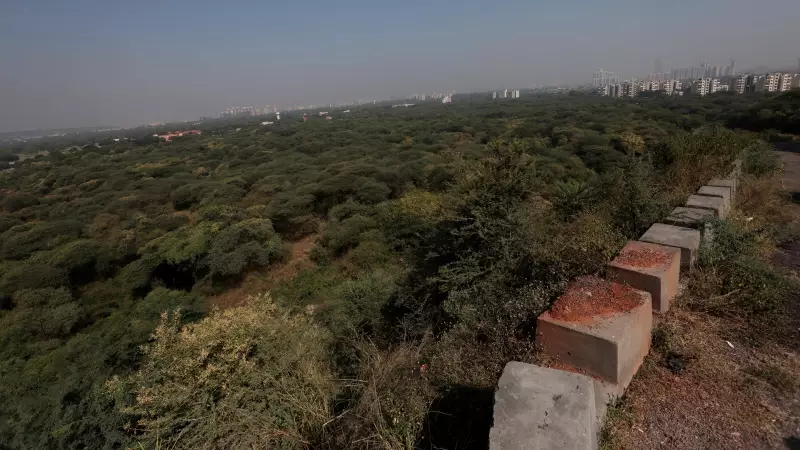
A recent pilot study has raised serious concerns about the environmental health of Gurgaon's Aravalli belt. The report highlights significant degradation over the past decade, including shrinking forest cover, loss of agricultural land, and disappearing water bodies. This troubling trend coincides with rapid urban expansion in the peri-urban areas of Gurugram.
Key Findings from the Baseline Assessment
The study focused on four villages in southern Haryana's Aravalli landscape: Gairatpur Bas, Naurangpur, Sakatpur, and Sikohpur. Researchers conducted comprehensive baseline assessments as part of an eco-restoration plan developed by the Sankala Foundation and the Embassy of Denmark.
The data reveals substantial land-use changes between 2014 and 2024:

- Agricultural land decreased by approximately 429 hectares
- Forest area shrunk by 114 hectares
- Built-up area expanded significantly by 323 hectares
- Barren land showed a modest increase of 22 hectares
These changes indicate sustained pressure on natural vegetation and reflect the rapid pace of urbanization in the region.
Biodiversity and Wildlife Corridors at Risk
The affected villages support rich biodiversity despite the environmental pressures. The area is home to nearly 40 bird species and serves as a crucial corridor for leopards and other wildlife. The fragmentation of these habitats poses a serious threat to species movement and survival.
Ecological surveys documented 61 floral species across the project area, with 77% being native species. However, 20% were classified as invasive-alien species, indicating ecological imbalance. The vegetation profile showed dominance by shrubs, followed by herbs and trees, reflecting forest degradation and altered structure.
Water Stress and Temperature Extremes
The study identified worrying trends in water availability and temperature patterns:
- Water bodies suffered a 20% loss during the 2014-2024 period
- Seven out of 41 ponds have completely disappeared
- Encroachments and construction on natural drainage have altered runoff patterns
- Groundwater availability has decreased, increasing water scarcity
The areas recorded peak surface temperatures between 48 to 56 degrees Celsius, reinforcing the need for vegetation buffers, soil moisture retention, and canopy enhancement to mitigate heat stress.
Government Response and Restoration Plans
Union Minister for Environment, Forest and Climate Change Bhupender Yadav formally launched the report on Wednesday alongside Haryana's Environment and Forest Minister Rao Narbir Singh. The findings come at a critical time when protection for the degrading Aravallis is under Supreme Court examination.
Minister Yadav emphasized the Centre's focus on implementing the Aravalli Green Wall project. This ambitious initiative aims to restore and green degraded landscapes across 29 districts in the Aravalli range from Gujarat to Haryana and Delhi.
The baseline assessment findings will guide local, landscape-specific eco-restoration works over the next seven years. Planned interventions include:
- Afforestation with native species
- Removal of invasive species
- Soil and moisture conservation measures
- Wildlife corridor management
- Biodiversity monitoring programs
The four studied villages showed low presence of dense vegetation, according to the report. This underscores the urgency of restoration efforts to preserve the remaining ecological functions of this important landscape.
The study serves as a crucial wake-up call for policymakers and urban planners. It demonstrates how rapid urbanization can compromise environmental sustainability even in ecologically sensitive areas like the Aravallis. The implementation of the restoration plan will be closely watched by environmentalists and local communities alike.