Argentina Erupts in Violence as Milei's Labour Reform Sparks Senate Clash
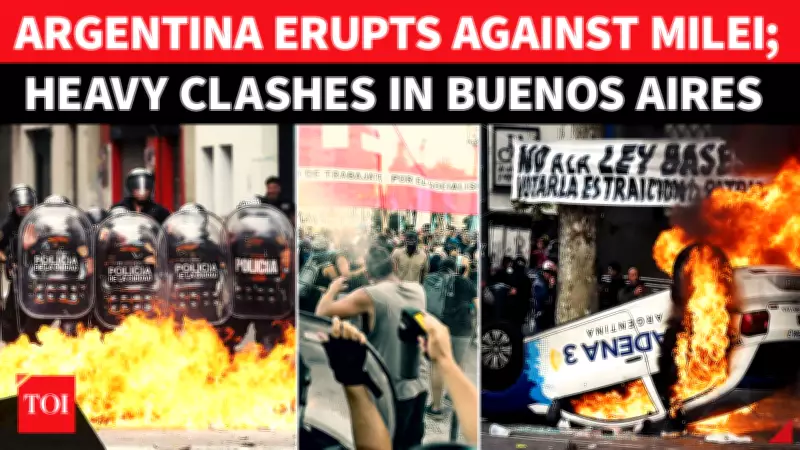
Violent clashes have rocked the streets of Buenos Aires, Argentina's capital, as thousands of union workers and protesters descended on Congress to oppose President Javier Milei's sweeping labour reform bill. The confrontation turned chaotic as riot police deployed tear gas, water cannons, and rubber bullets against demonstrators who retaliated by hurling stones and petrol bombs. Authorities have confirmed at least 15 arrests in the escalating unrest.
Union Fury Over Proposed Reforms
Union leaders and Peronist political figures are sounding the alarm, warning that Milei's proposed reforms would severely undermine key worker protections. They argue the bill would:
- Weaken severance pay entitlements for dismissed employees
- Reduce overtime protections and compensation rates
- Erode collective bargaining rights that have long empowered labour unions
These changes, they claim, represent a direct assault on decades of hard-won labour rights in Argentina.

Government's Justification for Reform
The Milei administration presents a starkly different perspective, arguing that Argentina's rigid labour laws have become a significant barrier to economic growth and formal employment. Government officials contend that:
- Current regulations have stifled private sector job creation
- Nearly half of Argentina's workforce has been pushed into informal employment due to restrictive hiring practices
- Structural reforms are essential to revitalize the economy and create sustainable formal jobs
As senators engage in heated debate over these deep structural changes, the violent protests outside Congress highlight Argentina's enduring struggle between market-oriented reforms and its historically powerful labour movements.
Broader Implications for Argentina
The confrontation in Buenos Aires represents more than just a legislative battle—it symbolizes Argentina's ongoing tension between economic liberalization and social protection. The outcome of this Senate debate could reshape the country's labour landscape for generations, determining whether Argentina moves toward more flexible employment practices or maintains its traditional worker protections.
The violent protests underscore the high stakes involved, with both sides digging in for what promises to be a prolonged political and social conflict. As tear gas clears from the streets of Buenos Aires, Argentina faces a defining moment in its economic and social development.