

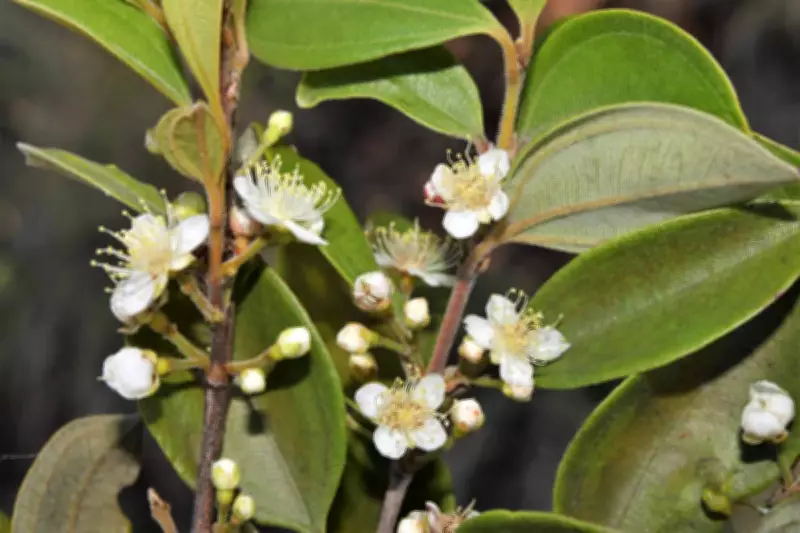
Australia's 'Zombie Tree': A Living Dead Species in Rainforests
Deep within the lush rainforests of Australia, a newly discovered tree species has captured the attention of scientists worldwide due to its eerie and concerning characteristics. Dubbed the "Zombie Tree," this plant, scientifically named Rhodamnia zombi, is alive yet functionally extinct, unable to reproduce in the wild. The discovery, first made in Queensland in 2020, highlights a critical ecological crisis driven by a highly contagious fungal infection.
The Alarming Reality of the Zombie Tree
The term "zombie tree" aptly describes Rhodamnia zombi, as it exists in a state of limbo—surviving but incapable of natural reproduction. Research from the University of Queensland reveals that repeated infections have crippled the tree's ability to produce flowers, fruits, and seeds, essential components for its life cycle. Botanist Professor Rod Fensham starkly characterizes these trees as "the living dead," emphasizing that without human intervention, their fate is sealed.
Key features of the zombie tree include:

- Discovery in Queensland's rainforests in 2020.
- Inability to reproduce due to fungal attacks.
- Classification as functionally extinct despite some living specimens.
Myrtle Rust: The Fungal Culprit Behind the Crisis
The primary threat to the zombie tree is myrtle rust, a devastating fungal disease caused by Austropuccinia psidii. This pathogen targets the Myrtaceae family, which includes iconic Australian species like eucalypts and tea trees. The disease spreads rapidly through spores carried by wind, insects, animals, and humans, leading to yellow or orange spots on leaves and young growth. Ultimately, it halts reproduction by preventing flower and seed production.
What exacerbates the situation is that native Australian plants, including the myrtle family, are "naive hosts"—they lack natural defenses against this invasive fungus. Professor Fensham notes that these species have not had sufficient time to evolve resistance, making them particularly vulnerable to extinction.
Scientific Efforts to Rescue the Zombie Tree
As the zombie tree teeters on the edge of disappearance, scientists are mobilizing innovative strategies to avert its extinction. One approach involves cloning the remaining trees by planting cuttings in controlled, sterile environments. Additionally, researchers are exploring treatments such as fungicides and RNA-based therapies to boost the tree's disease resistance.
Another promising solution is cultivating seedlings in protected locations where the fungus is absent. This method aims to develop immunity over time, allowing for eventual reintroduction into natural habitats. Ongoing studies focus on growing disease-free seedlings to ensure the species' survival, offering a glimmer of hope in this dire situation.
Broader Ecological Implications Beyond a Single Species
The zombie tree crisis underscores a larger environmental issue: the impact of invasive species and diseases on biodiversity. Myrtle rust does not affect just one tree; it threatens entire ecosystems within Australia's rainforests, highlighting the fragility of native flora in the face of globalization and climate change.
This battle to save the zombie tree serves as a reminder of nature's vulnerability and the urgent need for scientific innovation. The outcome will not only determine the fate of this unique species but also set a precedent for addressing future ecological challenges. As researchers race against time, their efforts symbolize a broader commitment to preserving our planet's delicate balance.






