

Bellahalli Crisis: A Warning Ignored as Waste Management Lessons Remain Unlearned
The ongoing tension in Bellahalli over waste disposal has brought Bengaluru's systemic failures in urban waste management into sharp focus. While releasing promised funds might temporarily defuse the situation, it does not address the root causes of the problem. Unless the city fundamentally reforms how it generates, segregates, and processes its waste, Bellahalli is poised to follow in the footsteps of Mandur—not as a lesson learned, but as a stark warning ignored.
The Immediate Crisis and Its Superficial Solutions
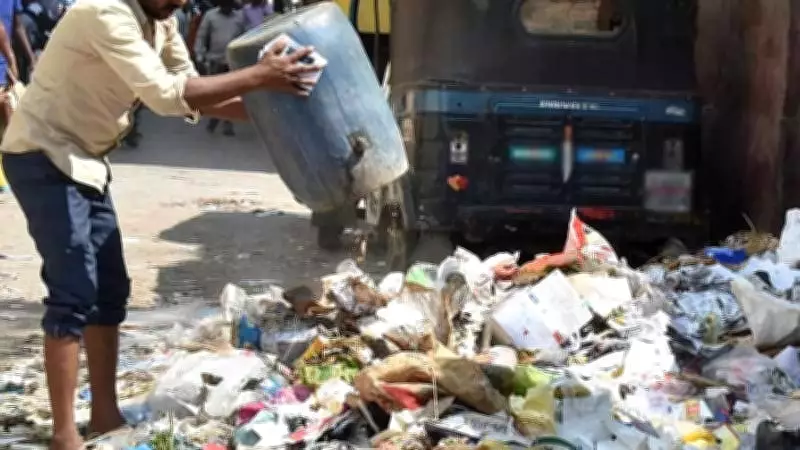
Bellahalli, a locality in Bengaluru, has become the latest flashpoint in the city's long-standing struggle with waste management. Residents are protesting against the accumulation of untreated waste, citing health hazards and environmental degradation. The government's response has primarily centered on financial measures, such as pledging funds for cleanup operations and infrastructure upgrades. However, this approach is merely a band-aid solution that fails to tackle the underlying issues.
Releasing these funds may provide short-term relief, but it risks perpetuating a cycle of crisis and reaction. Without comprehensive changes, similar tensions are likely to erupt elsewhere, as seen in past incidents like Mandur.

Systemic Failures in Waste Management
The Bellahalli situation underscores several critical failures in Bengaluru's waste management system:
- Inadequate Segregation: Despite regulations, waste segregation at source remains poorly implemented, leading to mixed waste that is difficult to process efficiently.
- Overburdened Processing Facilities: Existing waste processing plants are often overwhelmed, unable to handle the city's daily output, resulting in illegal dumping and landfill overflows.
- Lack of Public Awareness: Many residents are unaware of proper waste disposal practices, contributing to the problem.
These issues are not new; they were highlighted during the Mandur crisis years ago, yet little progress has been made.
Learning from Mandur: A Missed Opportunity
Mandur, another area in Bengaluru, faced a severe waste management crisis in the past, with protests and health concerns dominating headlines. It served as a wake-up call for the city to overhaul its waste management strategies. However, the lessons from Mandur appear to have been largely unheeded.
Bellahalli is now repeating the same patterns, indicating that systemic reforms have stalled. Key areas where progress is lacking include:
- Enforcement of waste segregation laws.
- Investment in advanced processing technologies.
- Community engagement and education programs.
Unless these gaps are addressed, Bengaluru will continue to lurch from one crisis to another.
The Path Forward: Beyond Financial Fixes
To prevent Bellahalli from becoming another Mandur, Bengaluru must adopt a holistic approach to waste management. This involves:
- Strengthening Infrastructure: Building and upgrading waste processing plants to handle capacity efficiently.
- Promoting Segregation: Implementing strict penalties for non-compliance and rewarding communities that excel in waste segregation.
- Fostering Innovation: Encouraging startups and technologies that convert waste into resources, such as compost or energy.
Moreover, public-private partnerships and citizen participation are crucial for sustainable solutions. The city needs to move beyond reactive measures and develop a long-term waste management plan that prioritizes environmental health and community well-being.
In conclusion, the Bellahalli flags a critical juncture for Bengaluru. Releasing funds may offer a temporary reprieve, but true resolution lies in learning from past mistakes and committing to systemic change. Otherwise, the city risks not only repeating history but also facing more severe consequences in the future.






