

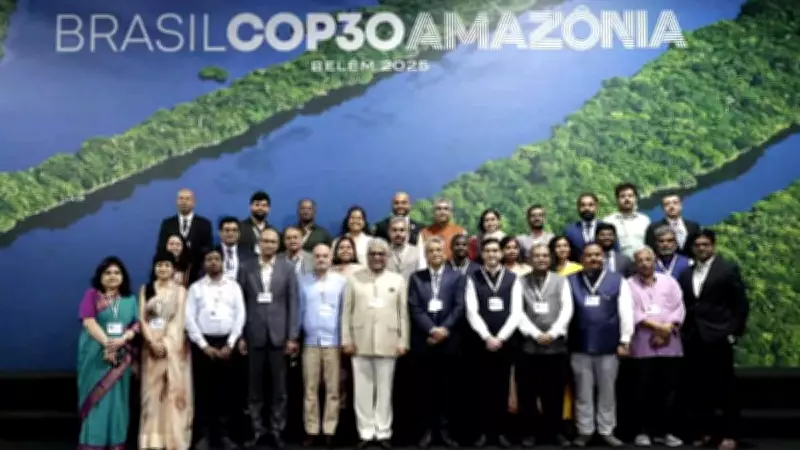
Belém Declaration: A Milestone for Circular Economy, But Implementation is Key
The recent Belém Declaration has been hailed as a significant step forward in the global push towards a circular economy, opening doors for sustainable development. However, experts and policymakers are emphasizing that this declaration must be followed by immediate and concrete actions to avoid becoming merely symbolic.
What the Belém Declaration Achieves
The declaration, signed by multiple nations, commits to principles that promote resource efficiency, waste reduction, and the reuse of materials. It aims to shift economies away from the traditional linear model of "take, make, dispose" to a more sustainable circular approach. This includes targets for reducing plastic pollution, enhancing recycling systems, and fostering innovation in green technologies.
Key aspects of the declaration include:

- Commitments to phase out single-use plastics by specific deadlines.
- Initiatives to improve waste management infrastructure globally.
- Support for research and development in sustainable materials.
- Collaboration between governments, businesses, and civil society.
The Urgent Need for Action
While the Belém Declaration sets a positive framework, critics argue that without enforceable measures, it risks falling short. The transition to a circular economy requires substantial investment, policy reforms, and behavioral changes. For instance, many countries lack the necessary regulations to incentivize recycling or penalize excessive waste production.
Environmental analysts point out that past declarations have often led to slow progress, highlighting the importance of accountability mechanisms. They suggest that follow-up actions should include:
- Establishing clear timelines and milestones for implementation.
- Creating financial incentives for businesses adopting circular practices.
- Enhancing international cooperation to address cross-border environmental issues.
- Monitoring and reporting on progress to ensure transparency.
Global Implications and Challenges
The success of the Belém Declaration could have far-reaching impacts on global sustainability efforts. It aligns with broader goals such as the United Nations Sustainable Development Goals (SDGs), particularly those related to responsible consumption and climate action. However, challenges remain, including economic disparities between nations, technological barriers, and resistance from industries reliant on linear models.
In regions like Asia and Africa, where waste management systems are often underdeveloped, the declaration's principles may require tailored approaches and increased funding. Similarly, in developed economies, shifting consumer habits and corporate practices will be crucial.
Ultimately, the Belém Declaration represents a hopeful start, but its true value will be measured by the actions that follow. Stakeholders must move beyond rhetoric to implement practical solutions that drive real environmental benefits.






