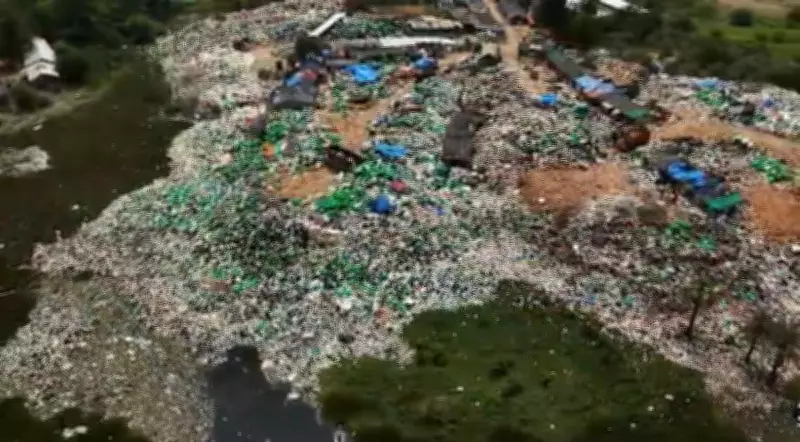
In a shocking revelation, approximately 3,000 tonnes of waste from Bengaluru has been dumped into the Dakshina Pinakini River, leading to severe pollution and environmental degradation. The river, which flows through the Kolar and Chikkaballapur districts, has been choked with garbage, causing a major ecological crisis.
Extent of the Problem
The waste, primarily consisting of plastic and other non-biodegradable materials, has been accumulating over the past few months. Local residents and environmental activists have raised alarms, highlighting the dire condition of the river. The Dakshina Pinakini River, which once served as a vital water source for irrigation and drinking, is now heavily contaminated.
Impact on Local Communities
The pollution has severely affected the lives of people living along the riverbanks. Farmers are unable to use the water for irrigation, and many have reported health issues due to the foul smell and contamination. The aquatic life in the river has also been devastated, with several species of fish disappearing.

Government Response
The Karnataka State Pollution Control Board (KSPCB) has taken note of the situation and initiated an investigation. Officials have been deployed to assess the damage and identify the sources of the waste. The Bengaluru City Municipal Corporation has been directed to take immediate steps to prevent further dumping. However, critics argue that the response has been slow and inadequate.
Long-Term Solutions Needed
Environmentalists are calling for a comprehensive waste management plan for Bengaluru, which generates thousands of tonnes of waste daily. They emphasize the need for proper segregation, recycling, and disposal mechanisms to prevent such incidents in the future. The Dakshina Pinakini River is just one example of the broader waste management crisis facing the city.
As the investigation continues, authorities have vowed to take strict action against those responsible for the illegal dumping. The incident serves as a stark reminder of the urgent need for sustainable waste management practices in urban areas.