Bengaluru's Looming Water Crisis: 65 Wards Report Alarming Groundwater Depletion
A comprehensive study conducted by the Indian Institute of Science (IISc) in collaboration with central and state groundwater agencies has flagged a severe groundwater crisis in Bengaluru. The research, which utilized advanced AI analytics and Internet of Things-based monitoring systems, indicates that as many as 65 wards in the city's western and northern corporation limits are experiencing alarming depletion in groundwater levels.
Scientific Analysis Reveals Sharp Decline
Scientists meticulously analysed borewell data, recharge patterns, extraction levels, and seasonal variability to project likely water stress during the upcoming peak summer months. The findings are consistent with last year's trend but show a sharper decline in certain high-density residential and apartment-dominated zones, particularly in north, northwest, and east Bengaluru.
Officials from the Bangalore Water Supply and Sewerage Board (BWSSB) confirmed that the report indicates a steady fall in water tables in these identified wards. As the city heads into another intense summer marked by soaring temperatures and rising water demand, the situation has prompted urgent action.

Rs 10-Crore Action Plan to Mitigate Shortages
In response to the crisis, the city water supply agency has drawn up a comprehensive Rs 10-crore plan to mitigate potential shortages. BWSSB Chairperson Ram Prasath Manohar outlined the multi-pronged strategy that prioritizes new water connections in the identified wards, intensified borewell monitoring, and ensuring all RO plants function optimally.
The action plan includes:
- Inspection and repair of damaged pipelines
- Identification of households without formal connections
- Fast-tracking water supply to apartment complexes
- Installation of tanks in vulnerable localities
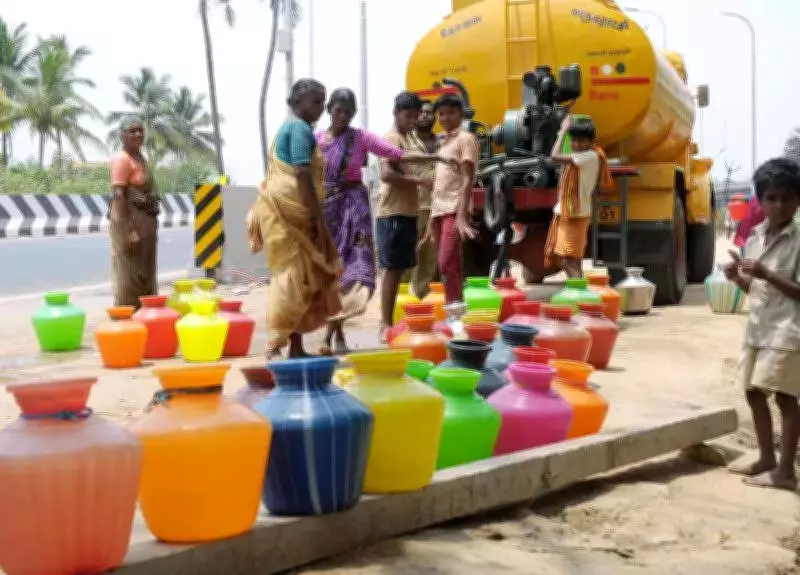
- Setting up temporary water distribution points in slum and high-density areas
- Strengthening Cauvery water supply arrangements wherever feasible
Conservation Measures and Enforcement
The utility will implement strict conservation measures, including monitoring construction sites to ensure they use only treated water instead of potable water. Public taps at temples, malls, and government offices will be fitted with aerators to reduce wastage.
"We are not waiting for tankers to become the only option," emphasized Manohar. "Preventive measures are being rolled out immediately in all 65 identified wards. Penalties will be imposed for non-essential use of drinking water for vehicle washing, gardening, and cleaning, as we did in previous summers."
Groundwater-Stress Wards Identified
The IISc assessment has provided ward-level clarity on the crisis, identifying specific areas requiring immediate attention. These include Jakkur, Doddabommasandra, Shettihalli, Mallasandra, T Dasarahalli, Jalahalli, Sanjayanagar, Hebbal, Nagawara, Horamavu, Ramamurthy Nagar, Kammanahalli, Kadugondanahalli, Kaval Byrasandra, Manorayanapalya, Peenya Industrial Area, Nandini Layout, JC Nagar, Lingarajapuram, KR Puram, Mahalakshmi Puram, Vijayanagar, Nagarabhavi, Chamarajapet, Koramangala, Kengeri, Girinagar, and Katriguppe.
The proactive approach by BWSSB aims to address the crisis before it escalates, leveraging scientific data to implement targeted solutions across the most vulnerable areas of India's technology capital.