Bengaluru has emerged as the city with the cleanest air among India's major metropolitan centres, according to recent data. However, this positive distinction is under threat, as environmental readings indicate a gradual but steady deterioration in the city's air quality over time.
A Precious Lead in the Race for Clean Air
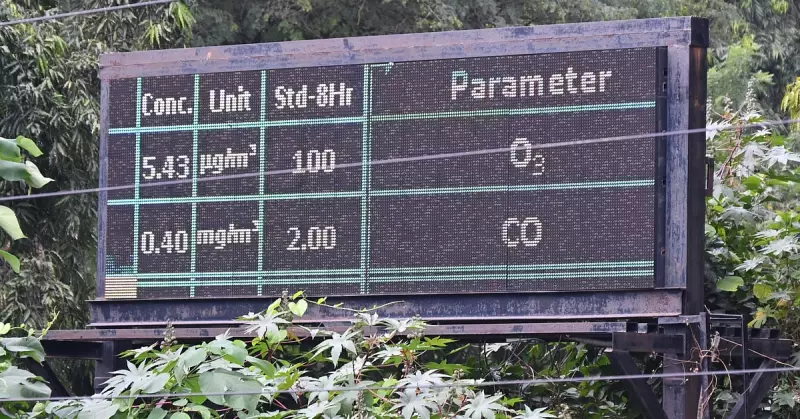
The latest reports confirm that Bengaluru's Air Quality Index (AQI) has consistently outperformed that of other large Indian cities. This status was highlighted in data reviewed on Saturday, December 6, 2025. The city's monitoring infrastructure, such as the station located at the Veterinary College in Hebbal, plays a crucial role in tracking these vital statistics.
Authorities have previously taken visible steps to combat pollution, including the deployment of an anti-smog gun outside the iconic Vidhana Soudha. These measures have contributed to maintaining relatively healthier air for residents compared to the severe pollution levels seen in other urban hubs.

The Underlying Trend Points Downward
Despite its leading position, a concerning trend is unfolding. Analysis of the steady AQI record reveals that the overall air quality in Bengaluru is, in fact, on a downward trajectory. The data suggests a slow decline, raising alarms among environmentalists and city planners.
This creeping pollution poses a significant challenge to public health and the city's reputation as a livable tech hub. The factors behind this decline are complex and multifaceted, likely linked to increased vehicular traffic, ongoing construction projects, and changing weather patterns that trap pollutants.
Can the Garden City Sustain Its Breatheable Air?
The central question now is whether Bengaluru can preserve its clean air advantage. The city's ability to last as the cleanest major metropolis hinges on proactive and sustained intervention. Relying on current measures alone may not be sufficient to reverse the emerging negative trend.
Experts argue that without enhanced policies, stricter enforcement on emission sources, and greater investment in green public transport, the current decline will continue. The situation calls for urgent attention to ensure that Bengaluru's air does not follow the dangerous path of other Indian cities, where poor air quality has become a public health crisis.
The coming months will be critical. Monitoring stations like the one in Hebbal will provide the evidence needed to gauge the effectiveness of the city's response. For now, Bengaluru holds the title, but the fight to keep it has clearly begun.