

Bird Divorce: A Disturbing Indicator of Environmental Crisis
A recent scientific study has uncovered a troubling trend in the avian world: an increase in bird divorce rates. This phenomenon, where mated birds separate and find new partners, is not merely a curiosity but serves as a critical warning sign for the health of our ecosystems. Researchers emphasize that these divorces are largely driven by human-induced factors, including climate change and habitat destruction, which are pushing bird populations to the brink.
The Causes Behind Avian Separations
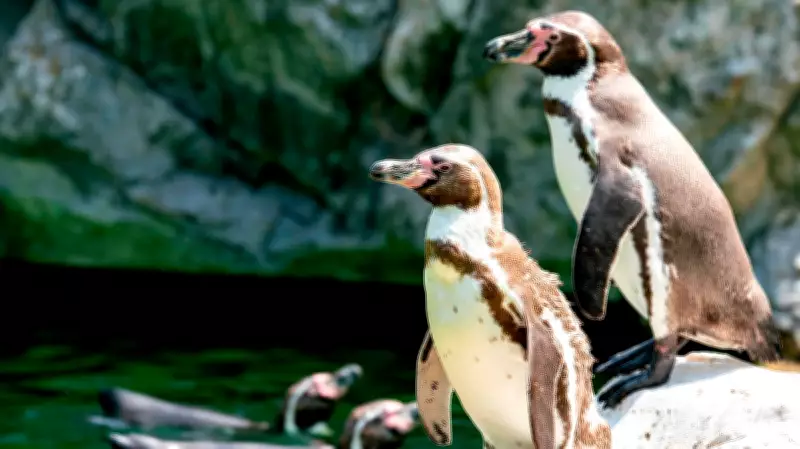
Traditionally, birds like albatrosses, penguins, and eagles form long-term pair bonds to enhance breeding success and offspring survival. However, environmental stressors are disrupting these stable relationships. Climate change alters migration patterns and food availability, forcing birds to adapt or perish. For instance, shifting temperatures can lead to mismatched breeding seasons, causing pairs to separate in search of more suitable mates.
Additionally, habitat loss due to deforestation, urbanization, and pollution reduces nesting sites and food sources. This scarcity increases competition and stress, making it harder for pairs to maintain their bonds. In some cases, birds may divorce to improve their chances of survival in degraded environments.

Implications for Biodiversity and Ecosystems
The rise in bird divorces has far-reaching consequences for biodiversity. Disrupted pair bonds often lead to reduced breeding success, as new pairs may take time to coordinate or may be less compatible. This can result in fewer chicks being raised, contributing to population declines in already vulnerable species.
Moreover, birds play essential roles in ecosystems, such as pollination, seed dispersal, and pest control. When their populations dwindle due to factors like divorce-induced breeding failures, it can trigger a cascade of negative effects. For example, reduced pollination might impact plant reproduction, while fewer insect-eating birds could lead to pest outbreaks in agriculture.
A Broader Environmental Warning
Scientists argue that bird divorce rates should be viewed as a bioindicator of environmental health. Just as canaries were once used in coal mines to detect toxic gases, birds today signal broader ecological crises. Their struggles reflect the impacts of global issues like climate change, which are altering natural rhythms and threatening wildlife worldwide.
This trend underscores the urgent need for conservation efforts. Protecting habitats, reducing carbon emissions, and supporting biodiversity-friendly policies are crucial steps to mitigate these effects. By addressing the root causes of bird divorces, we can help safeguard not only avian species but the entire web of life that depends on healthy ecosystems.

Key Takeaways from the Study
- Bird divorce rates are increasing due to climate change and habitat loss.
- This phenomenon disrupts breeding and threatens bird populations.
- Birds serve as bioindicators, highlighting broader environmental crises.
- Conservation actions are essential to protect ecosystems and biodiversity.





