

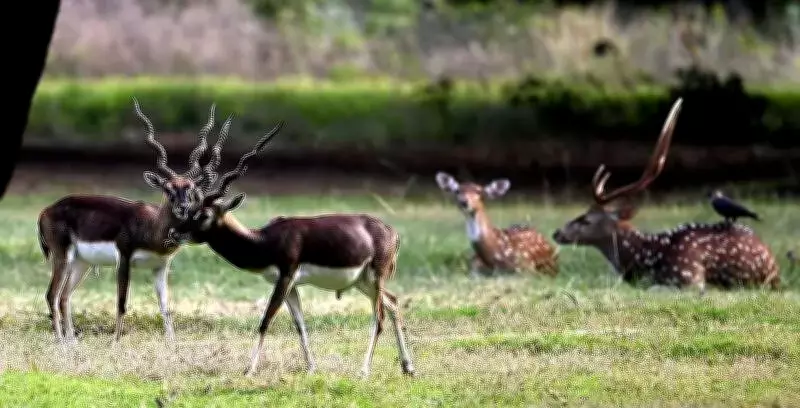
Blackbuck Population Declines in Chennai's Guindy National Park
Wildlife authorities in Chennai have reported a concerning decline in the blackbuck population within Guindy National Park and the adjacent Raj Bhavan areas. According to the latest census conducted three weeks ago, the number of these endangered antelopes has dropped from 101 to 90, marking a significant decrease that has raised alarms among conservationists.
Census Methodology and Data Collection Issues
A senior wildlife official, speaking anonymously, explained that the census process typically involves five samplings along transect lines at various times of the day, combined with direct sighting methods to ensure near-accurate population estimates. However, this year's census faced a methodological shortfall, with only two samplings conducted instead of the standard five. This reduction in data collection may have skewed the final count, potentially affecting the accuracy of the reported decline.
Contrast with Spotted Deer Population
In contrast to the blackbuck's decline, the census revealed a marginal increase in the spotted deer population within the same habitat. The number of spotted deer rose from 198 to 207, highlighting a divergent trend that underscores the specific challenges facing blackbucks in this urban national park.

Habitat Degradation at the Polo Ground
Beyond census methodology, habitat degradation has emerged as a critical concern for blackbuck conservation. The polo ground, a four-hectare open patch within the park, serves as vital habitat for blackbucks, which prefer open forest terrain. After nearly a decade of neglect, authorities cleared the wild undergrowth and planted native grass species, periodically watering them to restore the area. Unfortunately, this conservation effort was short-lived.
When wild vegetation resurged at the polo ground, no subsequent steps were taken to clear it, leaving the blackbuck without a crucial foraging and movement corridor. This neglect has directly impacted the species' ability to thrive in its natural habitat.
Urgent Calls for Conservation Intervention
Conservationists are warning that the situation demands immediate action. Guindy National Park is one of the few national parks embedded within a metropolitan city, making its ecological rarity—including its role as a habitat for blackbucks—particularly valuable. Experts are calling on authorities to:
- Clear encroaching vegetation from the polo ground to restore the blackbuck's habitat.
- Implement consistent monitoring and maintenance of critical foraging areas.
- Enhance census methodologies to ensure accurate population tracking in future surveys.
The decline in blackbuck numbers serves as a stark reminder of the challenges facing endangered species in urban environments, emphasizing the need for sustained conservation efforts to protect these iconic animals.






