

Bondla Wildlife Sanctuary Enhances Avian Display with New Macaw Arrival
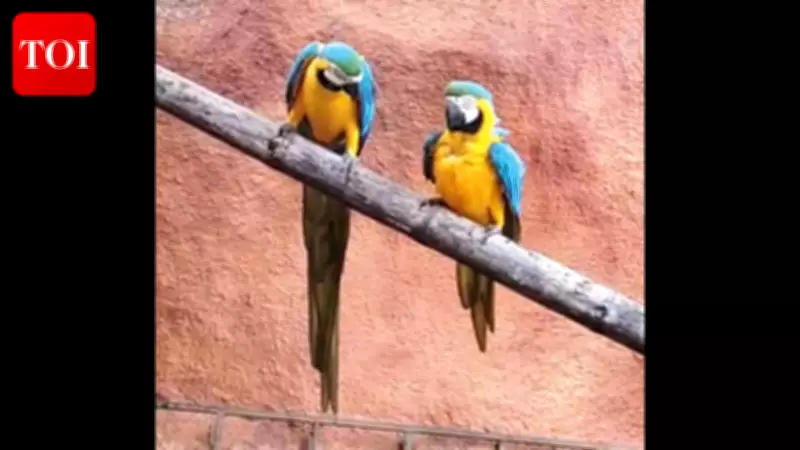
Panaji: Bondla Wildlife Sanctuary has significantly enriched its visitor experience with the introduction of a stunning female blue-and-yellow macaw. This vibrant addition brings a splash of color to the sanctuary's already diverse avian collection, captivating wildlife enthusiasts and tourists alike.
Official Statement on the Macaw's Integration
Chief Conservator of Forests Naveen Kumar confirmed the successful settlement of the new macaw. The bird has acclimated well to its environment and is now publicly viewable in its designated enclosure, offering visitors a rare opportunity to observe this exotic species up close.
Kumar emphasized that the acquisition followed strict regulatory protocols. The macaw was procured through authorized channels from a government-empanelled breeder based in Tamil Nadu, ensuring compliance with wildlife conservation standards set by the Ministry of Environment, Forest and Climate Change.

Quarantine and Habitat Release Process
The female macaw underwent a mandatory 15-day quarantine period upon arrival, a standard procedure to safeguard animal health and prevent disease transmission. After clearing quarantine, the bird was released into its habitat last Friday and is reportedly adapting excellently to its new surroundings.
Replacement for Previous Loss and Species Background
This new arrival serves as a companion to the sanctuary's existing male blue-and-yellow macaw, aged approximately 3.5 years. It replaces a previous female macaw that died in 2024 under unfortunate circumstances. Sources indicate that the earlier bird's death likely resulted from an external disturbance, possibly an attack or startling by a wild bird from outside the enclosure.
Although the aviary was mesh-enclosed, authorities suspect a predator bird might have struck from outside, causing fatal shock to the resident macaw. This incident highlights the challenges of maintaining exotic species in sanctuary settings.
Blue-and-yellow macaws, native to South American tropical rainforests, are renowned for their brilliant plumage and high intelligence. These parrots typically grow to about 32 inches in length with a wingspan of 41 inches, featuring a large, black beak that functions almost like a third foot for climbing.
The sanctuary's initiative to reintroduce this species demonstrates its commitment to biodiversity conservation and educational outreach, providing visitors with insights into exotic wildlife while adhering to ethical acquisition practices.






