

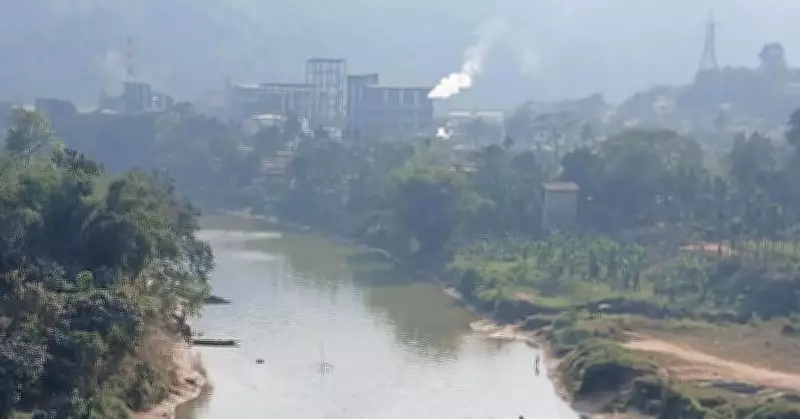
Byrnihat's Tragic Transformation: From Pristine Skies to Toxic Air
Nestled on the scenic border between Assam and Meghalaya, the town of Byrnihat was once celebrated for its idyllic environment. Residents enjoyed clear blue skies, access to clean water sources, and thrived on lush green farmlands that sustained local communities for generations. Today, this peaceful settlement is grappling with an environmental catastrophe, having earned the grim distinction of being labeled India's most polluted town on two separate occasions and even ranking as the world's most polluted location once.
The Industrial Onslaught: Cement and Coke Factories
The primary culprit behind Byrnihat's dramatic decline is the proliferation of nearly one hundred industrial facilities that have sprung up in the area. The majority of these operations are cement manufacturing plants and coke production units, which collectively spew massive quantities of smoke and pollutants into the atmosphere daily. This industrial expansion has fundamentally altered the town's character and living conditions.
Human Toll: Health Impacts and Sleepless Nights
The consequences for Byrnihat's residents are severe and deeply personal. Augustine Sangma, a local farmer who has witnessed the town's transformation firsthand, reports that his children now struggle to sleep through the night due to the constant presence of thick smoke. The particulate matter and toxic emissions from nearby factories create an oppressive atmosphere that affects respiratory health and overall wellbeing, particularly among vulnerable populations including children and the elderly.

Agricultural Devastation: Crops Drying Up
The environmental damage extends beyond human health to threaten local livelihoods. Betel nut trees, which represent an important cash crop for area farmers, are showing visible signs of distress and are gradually drying up as a direct result of sustained air pollution. This agricultural impact compounds the economic challenges faced by communities that have traditionally relied on farming, forcing many to reconsider their futures in the region.
Monitoring Failure: Non-Operational Air Quality Systems
Compounding the crisis is the reported failure of environmental monitoring infrastructure. According to local residents, an air quality monitoring system installed on the Meghalaya side of Byrnihat has been non-operational for an extended period. This equipment failure means that accurate, real-time data about pollution levels is not being collected or made available to the public, hampering both awareness and potential regulatory responses to the deteriorating conditions.
A Regional Crisis with National Implications
Byrnihat's situation represents more than just a local environmental issue—it highlights broader challenges facing industrial regions across India. The town's dramatic transformation from agricultural haven to pollution hotspot serves as a cautionary tale about the environmental costs of unregulated industrial expansion. As residents continue to breathe what has been measured as some of India's foulest air, questions remain about regulatory oversight, environmental enforcement, and sustainable development practices that could prevent similar crises in other regions.






