

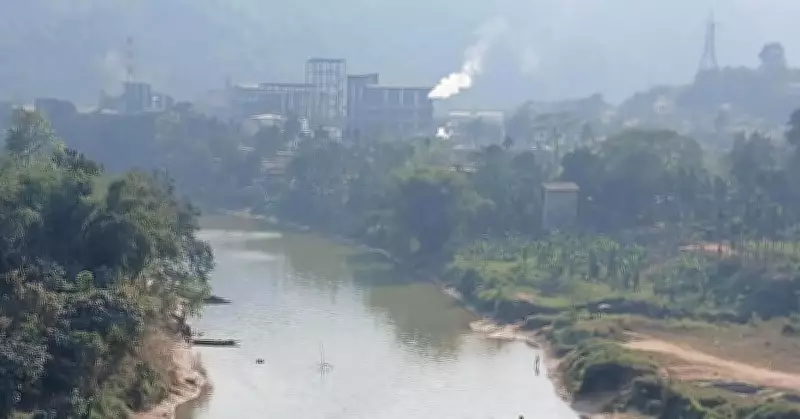
Byrnihat's Descent into Pollution: A Town Struggling to Breathe
Nestled on the border between Assam and Meghalaya, Byrnihat was once celebrated for its pristine environment, characterized by clear skies, unpolluted water sources, and verdant agricultural lands. Today, this former idyll has earned the grim distinction of being labeled India's most polluted town on two occasions and even ranked as the world's most polluted at one point. The transformation is stark and alarming, driven by rapid industrialization that has left residents gasping for clean air.
The Industrial Onslaught: Factories and Fumes
At the heart of Byrnihat's pollution crisis are nearly 100 factories, predominantly cement and coke plants, which have sprung up over the years. These industrial units operate with minimal environmental safeguards, releasing dense plumes of smoke and particulate matter into the atmosphere. The cumulative effect has turned the town into a haze of pollutants, severely degrading air quality and posing dire health risks to the local population.
Augustine Sangma, a local farmer, poignantly describes the human toll: "My children struggle to sleep at night because of the constant smoke. It's like we can't breathe here anymore." Such testimonies underscore the pervasive impact on daily life, with respiratory issues, sleep disturbances, and chronic illnesses becoming commonplace among residents, including vulnerable groups like children and the elderly.

Agricultural Devastation: Crops Withering Away
The environmental degradation extends beyond health concerns, wreaking havoc on Byrnihat's agricultural backbone. Betel nut trees, a crucial cash crop for many farmers, are drying up and dying due to the toxic air. This not only threatens livelihoods but also disrupts the local economy, as farmers face declining yields and financial instability. The loss of green cover further exacerbates the pollution cycle, reducing natural air purification and contributing to a vicious cycle of environmental decline.
Governance Gaps: A Broken Monitoring System
Compounding the crisis is a failure in governance and oversight. An air quality monitoring system installed on the Meghalaya side of Byrnihat has been non-operational for an extended period, according to local reports. This lack of real-time data hampers efforts to assess pollution levels accurately and implement timely interventions. Residents express frustration over the apparent neglect, calling for urgent action to restore monitoring and enforce stricter regulations on industrial emissions.
The situation in Byrnihat serves as a cautionary tale of unchecked industrialization without adequate environmental safeguards. As the town grapples with its polluted reality, the need for comprehensive solutions—including better enforcement of pollution norms, investment in cleaner technologies, and community awareness—becomes ever more pressing. Without swift action, Byrnihat risks remaining a symbol of India's ongoing battle against air pollution, with its residents paying the price with their health and livelihoods.






