

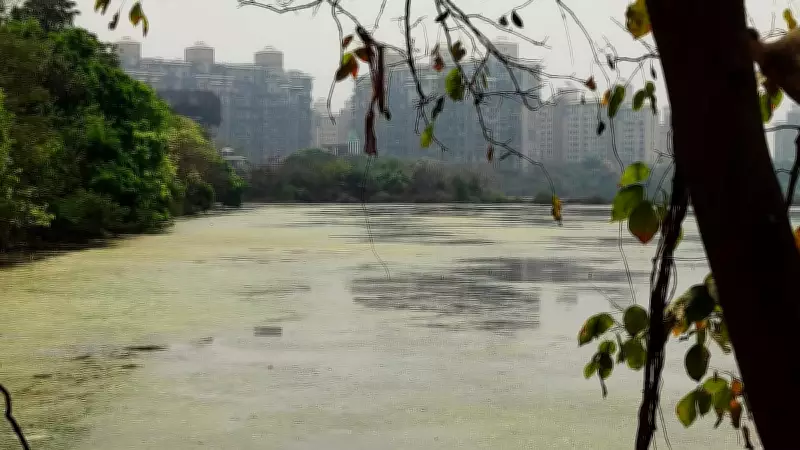
Central Government Takes Swift Action on Navi Mumbai's Toxic Wetlands Within 24 Hours
The Ministry of Environment, Forest and Climate Change (MOEFCC) has demonstrated remarkable urgency by cracking down on environmental concerns in Navi Mumbai's wetlands within a mere 24-hour timeframe. This rapid response follows serious complaints highlighting the toxic conditions in these critical ecosystems, which are vital for biodiversity and local communities.
Complaints Highlight Critical Environmental Issues
The complaints submitted to authorities detailed severe environmental degradation in the Navi Mumbai wetlands. A key factor identified was the restricted or completely blocked tidal flow, which has disrupted natural hydrological processes essential for maintaining wetland health. This obstruction has significantly reduced the flushing mechanism that typically helps cleanse these areas, leading to dangerous accumulations of pollutants and toxins.
The disruption of tidal patterns has created a cascade of ecological problems, transforming what should be thriving wetland habitats into contaminated zones. Without proper water circulation, pollutants from various sources have concentrated to toxic levels, posing risks to both wildlife and human populations in the surrounding areas.

Government's Immediate Response and Documentation
The central government's swift action included issuing an official response document titled "Toxic wetlands_MOEFCC response.pdf" on March 24, 2026. This document outlines the ministry's findings and proposed measures to address the critical situation. The rapid turnaround from complaint to official response demonstrates the government's commitment to environmental protection and regulatory enforcement.
The situation in Navi Mumbai represents a significant environmental challenge that requires both immediate intervention and long-term management strategies. Wetlands serve crucial functions including water purification, flood control, and habitat provision, making their protection essential for sustainable development.
Broader Implications for Wetland Conservation
This incident highlights several important considerations for wetland management across India:
- The critical importance of maintaining natural tidal flows and hydrological processes
- The need for regular monitoring of wetland health and water quality
- The potential consequences of development activities that disrupt natural water systems
- The effectiveness of prompt governmental response to environmental complaints
As urban development continues in regions like Navi Mumbai, balancing growth with environmental protection becomes increasingly crucial. The government's rapid action in this case sets an important precedent for how environmental concerns should be addressed with urgency and seriousness.






