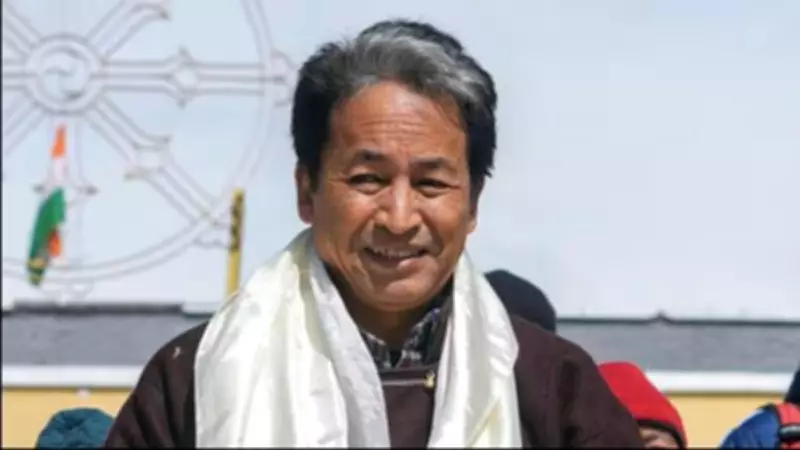
Centre Informs Supreme Court: Sonam Wangchuk Medically Fit, No Grounds for Release
The Government of India has formally informed the Supreme Court that climate activist and education reformer Sonam Wangchuk is in good health, dismissing requests for his release from detention based on medical grounds. This development comes as part of ongoing legal proceedings regarding Wangchuk's detention, which has sparked widespread attention and debate across the nation.
Government's Stance on Wangchuk's Health Status
In a submission to the apex court, the Centre asserted that Wangchuk is "fit and hearty," with no medical conditions warranting his release. The government's statement was made in response to petitions filed by supporters and legal representatives of the activist, who had argued that his health was deteriorating due to the conditions of his detention. Officials cited medical reports and assessments to support their claim, emphasizing that Wangchuk has access to necessary healthcare and is under regular observation.
Background of Sonam Wangchuk's Detention
Sonam Wangchuk, renowned for his work in sustainable development and education in Ladakh, was detained earlier this year following protests and activism related to environmental and regional autonomy issues. His detention has drawn criticism from various quarters, including civil society groups and international observers, who view it as a crackdown on dissent. Wangchuk's supporters have organized rallies and online campaigns calling for his immediate release, citing concerns over his well-being and the broader implications for democratic freedoms.

Legal and Public Reactions
The Supreme Court is currently hearing arguments on the legality and circumstances of Wangchuk's detention. Legal experts note that the government's emphasis on his medical fitness could influence the court's decision on whether to grant bail or release. Meanwhile, public reaction has been mixed, with some praising the government for upholding law and order, while others accuse it of suppressing peaceful activism. The case has also highlighted tensions between environmental advocacy and state policies in sensitive regions like Ladakh.
Implications for Climate Activism in India
This incident underscores the challenges faced by climate activists in India, particularly those operating in politically sensitive areas. Wangchuk's detention and the government's response may set precedents for how similar cases are handled in the future, potentially affecting the morale and strategies of environmental movements. Analysts suggest that the outcome could impact India's image on global platforms regarding human rights and environmental governance.
Next Steps in the Legal Process
The Supreme Court is expected to continue deliberations on the matter, with further hearings scheduled in the coming weeks. Both sides are preparing additional submissions, and the court may call for independent medical evaluations if deemed necessary. Observers are closely watching for any developments that could lead to Wangchuk's release or a change in the government's stance, as the case remains a focal point in discussions about activism and justice in contemporary India.