The Centre is planning a major expansion of its successful Maitri Van eco-restoration model across the entire Aravali range. This ambitious move follows the development of a 750-acre Maitri Van site in Gurgaon and a 250-acre restoration patch in Manesar.
Private Partnerships to Drive Restoration
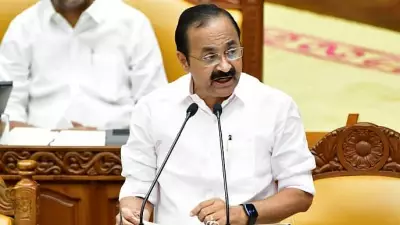
Union Environment Minister Bhupender Yadav announced the scaling up plan at the National Conference on Eco-restoration of the Aravali Landscape in New Delhi. The government will execute these projects through formal agreements with private entities. Yadav explained that plantations on degraded lands achieving 40% crown cover within five years would qualify for valuable green credits.
"We identified large, degraded patches in the last two years for the Aravali Green Wall project," Yadav stated. The minister emphasized that the plan aims to build a larger network of eco-restoration sites through a partnership framework. This approach moves beyond traditional state-funded plantation drives.

Replicating the Maitri Van Approach
Officials revealed that private entities will be brought in through formal agreements to support multiple aspects of restoration work. These include plantation activities, soil conservation, moisture conservation, and ongoing maintenance. The intent is to replicate the Maitri Van approach across numerous locations throughout the Aravalis.
The hill range has faced increasing environmental stress in recent years. Fragmentation, encroachments, construction pressures, and repeated disturbances have taken their toll on this vital ecosystem. Maitri Van represents a key eco-restoration and urban afforestation initiative in Gurgaon. It also forms a significant component of the Centre's 'Ek Ped Maa Ke Naam' campaign.
Launch and Objectives
The Maitri Van initiative launched in August 2025 during the Van Mahotsav 2025 celebration. Union ministers Bhupender Yadav and Manohar Lal Khattar inaugurated the project. The primary goal involves restoring local ecology by removing invasive species. The site occupies the Aravali Hill area in Gurgaon.
Officials at the conference confirmed that eco-restoration under the Aravalli Green Wall framework would continue as an ongoing landscape programme. Multiple restoration sites and maintenance-linked partnerships are expected to follow this initial phase.
Environmentalist Concerns and Recommendations
Environmentalist SS Oberoi welcomed the initiative but raised important concerns about private sector involvement. "If the government is bringing in private players through MoUs, it must clearly map which lands are eligible," Oberoi stated. He emphasized several critical requirements:
- Ensure restoration isn't used to gain private access or control over land
- Establish independent monitoring to verify ecological outcomes
- Clearly spell out what private partners receive in return for their investment
Comprehensive Restoration Strategy
The Haryana eco-restoration plan integrates within the broader Aravalli Green Wall Project framework of the Ministry of Environment, Forest and Climate Change. This approach emphasizes landscape-level restoration as a long-term commitment. It calls for multi-stakeholder collaboration and diverse funding sources to ensure sustainability.
The plan underlines that designating the landscape as the planning unit must also make it the unit of implementation. Interventions should run simultaneously across all ecosystem components rather than treating afforestation as the sole early-phase goal. These components include:
- Forests
- Scrublands
- Wetlands
- Agricultural areas
- Water bodies
Three-Phase Implementation Plan
The strategy recommends a structured three-phase implementation approach:

- Phase I - Foundation: Years 1-2 focusing on establishing basic infrastructure and partnerships
- Phase II - Development: Years 3-5 concentrating on expanding restoration activities
- Phase III - Consolidation: Years 6-7 aimed at ensuring long-term sustainability
Dedicated Project Authority Proposed
A key proposal involves establishing a dedicated project authority to manage the programme full-time. This authority would handle large-scale eco-restoration work and ensure financial sustainability over extended timelines. The authority would pool and manage funds from multiple sources including:
- Government budgets
- Corporate Social Responsibility contributions
- Public-private partnerships
- Biodiversity and carbon credits
- International grants
The Aravali Green Wall Project represents a major initiative to restore this vital mountain range. With private partnerships and a comprehensive landscape approach, the Centre aims to create a sustainable model for ecological restoration. This expansion of the Maitri Van approach could significantly impact environmental conservation across northern India.