

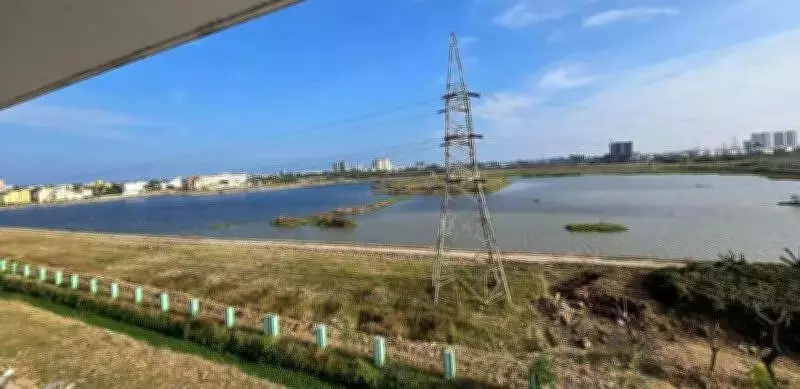
Chennai Embarks on Major Urban Lake Restoration Project
The Greater Chennai Corporation (GCC) has unveiled an ambitious plan to rejuvenate three significant urban lakes in the city: Nolambur, Ramanthangal, and Subramaniya. This comprehensive initiative places a strong emphasis on climate resilience and the implementation of innovative 'blue-green infrastructure' solutions to address pressing environmental challenges.
Comprehensive Restoration Strategy
The detailed proposal encompasses multiple critical interventions designed to restore ecological balance and enhance community benefits. Key components include the structural strengthening of lake bunds to prevent breaches, extensive desilting operations to increase water holding capacity, and the creation of specialized wetlands and bio-filtration zones. These natural treatment systems will effectively purify incoming water flows, significantly improving overall water quality in the lakes.
The project will also introduce numerous pedestrian-friendly amenities to transform these water bodies into vibrant community spaces. Planned features include well-designed walkways for recreational strolling, decorative gazebos for relaxation, comfortable seating areas, and elevated viewing decks that offer panoramic vistas of the restored landscapes.

Addressing Urban Environmental Challenges
A senior GCC official elaborated on the expected benefits, stating, "The restoration is projected to substantially enhance groundwater recharge capabilities, reduce flood risks in adjacent residential neighborhoods, and help moderate urban heat island effects through increased green cover and water bodies."
Civic authorities emphasized that the current plan deliberately adopts a holistic 'blue-green infrastructure' methodology. This approach strategically combines sustainable water management practices with substantial ecological preservation and tangible social benefits, creating multifunctional urban spaces that serve both environmental and community needs.
Community Response and Historical Context
Residents living in proximity to Nolambur Lake have expressed cautious optimism about the initiative. R Kumar, a local resident, commented, "While we welcome this development, we stress the absolute necessity for sustained maintenance. Previous beautification drives have shown that without proper upkeep, improvements don't last. If GCC ensures regular desilting and effectively prevents sewage discharge, this project can genuinely transform our area for the better."
This restoration effort arrives at a critical juncture as Chennai continues to confront recurring monsoon flooding and diminishing summer groundwater levels. Saravanan, a hydrogeologist familiar with the region's water systems, provided historical context: "Chennai's interconnected network of lakes and wetlands traditionally functioned as natural buffers, efficiently absorbing excess rainwater and recharging underground aquifers. However, decades of rapid urbanization, widespread encroachments, and persistent pollution have severely degraded their capacity to perform these vital functions."
Implementation and Future Vision
Project implementation is scheduled to commence shortly, with authorities anticipating that the upgraded lakes will serve as exemplary models for similar restoration initiatives throughout Chennai. The GCC envisions these revitalized water bodies becoming benchmarks for urban ecological restoration, demonstrating how integrated blue-green infrastructure can effectively address climate vulnerabilities while enhancing urban livability.
The restoration of Nolambur, Ramanthangal, and Subramaniya lakes represents a significant step toward rebuilding Chennai's natural water management systems, potentially offering a replicable template for other Indian cities facing similar urban environmental challenges.






