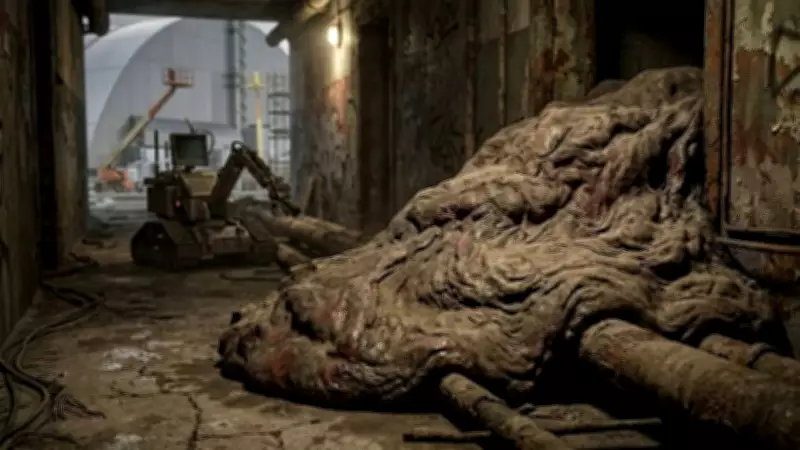
The Unyielding Nuclear Monster: Chornobyl's Elephant's Foot
Deep within the shattered remains of Reactor 4 at the Chornobyl Nuclear Power Plant lies one of the most dangerous and fascinating artifacts of the nuclear age: a massive, solidified radioactive formation known as the Elephant's Foot. This terrifying relic, born from the catastrophic 1986 disaster, continues to defy human intervention and serves as a chilling reminder of nuclear power's destructive potential.
The Composition of a Nuclear Nightmare
The Elephant's Foot is composed of corium, a unique material formed when the reactor core underwent catastrophic meltdown. This substance represents a horrifying fusion of molten nuclear fuel, structural materials, and concrete that cooled into a dense, glass-like mass. Scientific analysis reveals it contains uranium from fuel rods, metals from control rods, and substantial amounts of concrete from the reactor building's foundation - all fused together at temperatures exceeding 2,000 degrees Celsius.
According to research published by the V.G. Khlopin Radium Institute, the corium mass proved so impenetrable that initial verification required extraordinary measures. Soviet authorities had to use armor-piercing rounds from Kalashnikov rifles to obtain samples, as conventional methods and remotely operated machines failed against its incredible density.

Deadly Radiation: From Lethal to Dangerous
In the immediate aftermath of the disaster, the Elephant's Foot emitted approximately 10,000 roentgens per hour - radiation levels so intense that a mere five-minute exposure would have been fatal, with a 50 percent chance of death within just three minutes. Data from the OECD Nuclear Energy Agency shows how time has gradually reduced this threat, though not eliminated it.
By 2016, radiation levels had decreased to about 100 roentgens per hour, still sufficient to cause severe radiation sickness within an hour of exposure. While shorter-lived isotopes like Ruthenium-106 have decayed to negligible levels, Caesium-137 continues to emit dangerous gamma radiation. The radioactivity isn't merely surface contamination but permeates the entire 2,000-kilogram mass, making chemical remediation impossible. Only the natural decay of radioactive constituents over time can reduce its lethality.
The Impossibility of Removal
The Elephant's Foot presents an almost insurmountable engineering challenge. Its extreme density, combined with the danger of creating millions of microscopic radioactive particles during any dismantling attempt, makes conventional removal techniques impossible. Any disturbance would release airborne radioactive dust posing certain inhalation hazards to workers.
This reality has necessitated a containment rather than removal strategy. The mass now rests within the New Safe Confinement (NSC), a billion-dollar steel arch designed to entomb the radioactive material for at least 100 years. As reported by World Nuclear News, this structure represents an interim solution while scientists work to develop technology capable of safely processing or neutralizing 2,000 kilograms of radioactive silicate glass.
Technological Limitations in a Radioactive Environment
Even modern technology struggles against the Elephant's Foot's hostile environment. The intense ionizing radiation at Reactor 4's lower levels causes catastrophic interference with semiconductor architectures, rendering most robotic systems ineffective. This technological barrier means that, even by 2026, the mass remains largely inaccessible to direct human or robotic intervention.
The NSC arch represents a remarkable engineering achievement designed specifically to contain this threat until future generations develop the capability to address it safely. Its primary function is to prevent structural collapse and environmental contamination while buying time for scientific advancement.
A 300-Year Legacy of Warning
The Elephant's Foot serves as a terrifying, silent monument that will persist for approximately 300 years - a timescale determined by the half-lives of its radioactive components. This duration ensures that multiple generations will live with the physical reminder of the Chornobyl disaster's consequences.

This nuclear artifact stands as both a scientific curiosity and a profound warning about the long-term implications of nuclear accidents. Its continued existence beneath its protective dome represents humanity's acknowledgment of technological limitations when faced with the consequences of catastrophic failure in nuclear technology.
The story of the Elephant's Foot extends beyond mere nuclear physics into questions of responsibility, technological ethics, and intergenerational legacy. As this radioactive mass slowly decays over centuries, it will continue to challenge scientists, engineers, and policymakers while reminding the world of the enduring consequences when nuclear technology goes catastrophically wrong.