

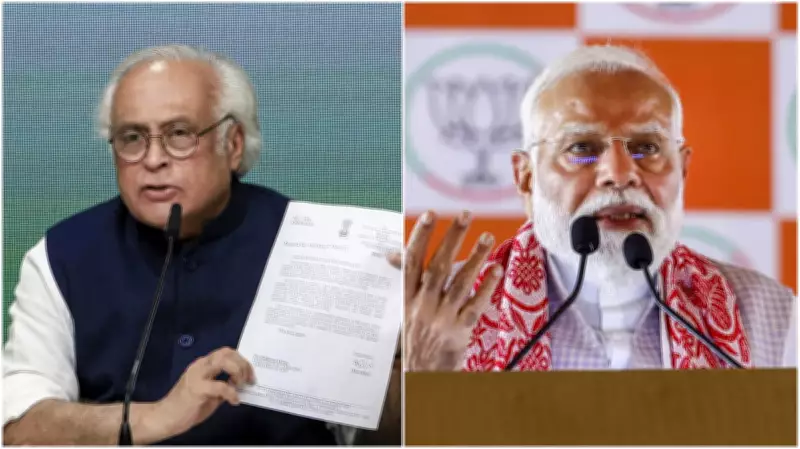
Congress Slams India's Withdrawal from Hosting COP33, Cites Climate Commitment Concerns
The Congress party has launched a sharp critique of the Indian government's recent decision to withdraw its bid to host the 33rd session of the Conference of the Parties (COP33) to the United Nations Framework Convention on Climate Change. In a strongly worded statement, the opposition party asserted that this move reflects the government's true commitment to the Paris Agreement, raising significant questions about India's climate policy priorities and international environmental leadership.
Political Reaction to India's COP33 Bid Withdrawal
According to reports, the Congress party expressed deep disappointment over India's withdrawal from the bidding process to host COP33, an event that would have positioned the country as a central player in global climate negotiations. The party highlighted that this decision comes at a critical juncture when nations worldwide are intensifying efforts to combat climate change under the Paris Agreement framework.
The Congress statement emphasized that hosting such a high-profile international conference would have demonstrated India's proactive stance on environmental issues and its willingness to lead by example. By stepping back, the government has, in the party's view, signaled a potential shift in its climate agenda, which could have broader implications for both domestic and international climate action.

Implications for India's Paris Agreement Commitments
The Paris Agreement, adopted in 2015, aims to limit global warming to well below 2 degrees Celsius above pre-industrial levels, with efforts to cap it at 1.5 degrees. India, as a signatory, has pledged to reduce its greenhouse gas emissions intensity and increase its share of non-fossil fuel energy sources. The Congress party argues that withdrawing the COP33 bid undermines these commitments, suggesting a lack of robust follow-through on climate promises.
This development has sparked a debate over whether India is adequately prioritizing climate change amidst other national challenges. Critics, including the Congress, point out that hosting COP33 could have provided a platform to showcase India's climate initiatives, such as its renewable energy expansion and afforestation programs, while fostering global collaboration.
Broader Context and Government's Stance
While the government has not publicly detailed its reasons for the withdrawal, sources indicate that logistical, financial, or strategic considerations may have influenced the decision. However, the Congress party contends that this move reveals a gap between rhetoric and action, particularly in light of India's previous advocacy for climate justice and sustainable development on the world stage.
The party's criticism extends to questioning the overall consistency of India's climate policy, urging the government to reaffirm its dedication to the Paris Agreement through concrete steps. This includes accelerating domestic climate actions, enhancing transparency in climate reporting, and engaging more actively in international forums to address global warming challenges.
Future Outlook and Climate Policy Directions
As climate change continues to pose severe threats, including extreme weather events and environmental degradation, India's role in global climate governance remains crucial. The Congress party's remarks underscore the need for a clear and unwavering climate strategy that aligns with the Paris Agreement's goals.
In conclusion, the withdrawal from hosting COP33 has become a focal point for political discourse on India's climate commitment. The Congress party's critique highlights concerns over policy coherence and international credibility, calling for renewed efforts to integrate climate action into national development plans. Moving forward, stakeholders will closely monitor how India navigates its climate responsibilities amidst evolving global dynamics.






