

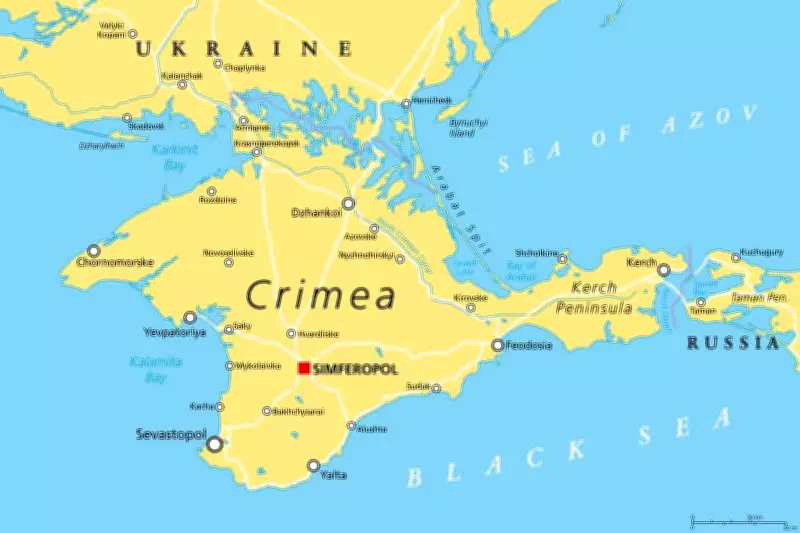
Crimea Crisis: The Epicenter of a Global East-West Standoff
The Crimean peninsula, a strategically vital landmass in Eastern Europe situated on the northern coast of the Black Sea, is currently at the heart of the most severe East-West confrontation witnessed since the Cold War era. This region, with its disputed political status, is controlled and governed by Russia but remains internationally recognized as an integral part of Ukraine, creating a complex geopolitical flashpoint that has drawn worldwide scrutiny.
Historical Context and Current Tensions
In 2014, Russia seized Crimea from Ukraine in a move that dramatically escalated regional tensions and set the stage for ongoing conflict. Since then, the peninsula has become a symbol of broader geopolitical struggles, with its fate intertwined with that of four additional Ukrainian provinces where Russian forces have captured territory following the full-scale invasion launched in 2022. This expansion of control has intensified the crisis, making Crimea not just a local issue but a global concern.
Everyone across the globe is now closely monitoring the developments in Crimea and these occupied regions, as they represent critical battlegrounds in a conflict that threatens to reshape international relations. The standoff has led to increased military posturing, economic sanctions, and diplomatic maneuvers, highlighting the deep divisions between Eastern and Western powers.

Geopolitical Implications and Future Outlook
The dynamics of the Crimean crisis extend beyond mere territorial disputes; they reflect broader struggles over sovereignty, security, and influence in Eastern Europe. The peninsula's strategic location on the Black Sea makes it a key asset for naval operations and energy routes, further complicating resolution efforts. As the situation evolves, it continues to test the resilience of international law and alliances, with no clear end in sight.
This ongoing confrontation underscores the fragility of post-Cold War stability, reminding the world of the persistent risks of escalation in a multipolar global landscape. The focus on Crimea and the captured provinces underscores their significance in determining the future trajectory of not only Ukraine but also East-West relations as a whole.






