Delhi Cabinet Greenlights Carbon Credit Monetisation Framework
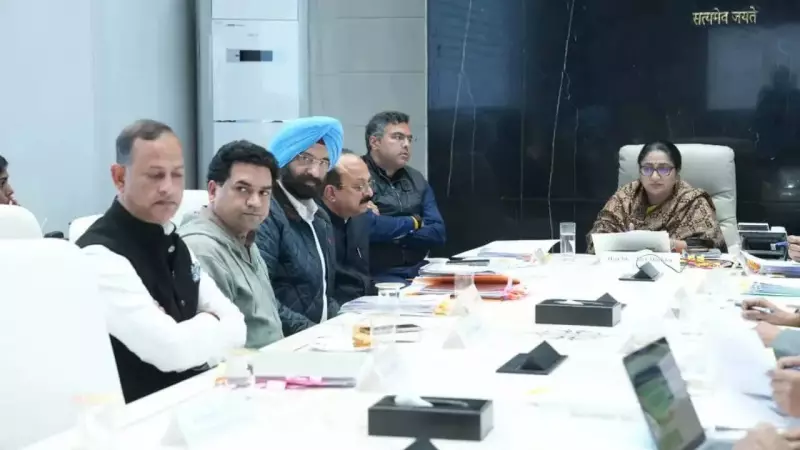
In a significant move on Tuesday, the Delhi government's Cabinet meeting gave its approval to implement the Carbon Credit Monetisation Framework across the national capital. This decision places Delhi alongside early adopters like Meghalaya, Arunachal Pradesh, and the city of Indore in pioneering this environmental finance mechanism.
Turning Green Projects into Revenue Streams
The Department of Environment, Forests and Wildlife announced that Delhi's existing environmental initiatives will now generate tradable carbon credits. These initiatives include the ongoing electric vehicle rollout, extensive urban forestry programs, Yamuna river restoration efforts, widespread solar energy adoption, and waste-to-energy plants.
This innovative approach creates new funding for environmental protection without placing any financial burden on the government. Work is already underway to convert the city's current green projects into revenue-generating assets for pollution control and sustainability, pending final Cabinet approval.

How the Carbon Credit System Works
For every metric tonne of carbon dioxide reduced through Delhi's climate initiatives, one carbon credit will be generated. These credits can then be sold in carbon markets both within India and internationally. The no-financial-liability model will benefit green efforts across multiple departments including transport, power, forests, Delhi Jal Board, and urban development.
Chief Minister Rekha Gupta emphasized that the framework implementation will provide the government with an additional revenue source to accelerate development works. "This will not only promote environmental conservation, but the revenue generated will also be deposited into the Consolidated Fund of the State and utilised for public welfare schemes," Gupta stated.
Current Green Initiatives Eligible for Credits
Delhi already operates several programs that will qualify under the new framework:
- Electric bus operations across the city
- Large-scale plantation drives and urban forestry
- Solar energy promotion and installation
- Comprehensive waste management initiatives
All these programs contribute significantly to reducing carbon emissions. Under the new policy, the pollution reduction achieved through these initiatives will be scientifically measured and registered as carbon credits.
Financial Model and Implementation Strategy
The Department of Environment highlighted the scheme's most significant feature - its financial model. Through a transparent tender or request for proposal process, the department will select specialized agencies to identify schemes that can generate carbon credits. These agencies will also handle documentation and registration according to international standards.
The entire process operates on a revenue-sharing model, meaning the government incurs no expenditure. A portion of generated revenue will go to the agency, while the larger share will accrue to the government exchequer. All revenue will be deposited directly into the Consolidated Fund of the state and reflected in Delhi government's financial accounts.
Expert Agencies and Revenue Utilization
Expert agencies will be engaged on a success-fee basis, with payments made only after revenue is earned. This ensures zero upfront cost to the government. Up to three agencies will be empanelled to ensure scalability and wider participation. The engagement process will begin shortly and will cover:
- Project assessment and documentation
- Validation and registration procedures
- Issuance of carbon credits
- Trading strategies development
- Capacity building across departments
Revenue generated will be channeled through a dedicated mechanism for pollution control, climate adaptation, and environmental management. If utilized effectively, Delhi's carbon credit potential could reach hundreds of crores, creating a steady funding source for environmental protection.

Leadership in Climate Finance
Environment Minister Manjinder Singh Sirsa explained, "These efforts will help unlock economic value from pollution reduction while also supporting environmental goals. This framework allows us to quantify these achievements, certify them under global standards like VERRA, Gold Standard, and the Indian Carbon Market, and monetise them transparently."
The ministry outlined the framework's core objectives, which include creating a structured system to identify, verify, and register emission-reduction projects across sectors. Developing a strong Monitoring, Reporting and Verification mechanism will ensure accurate data, transparency, and international auditability.
Other objectives focus on enabling smooth issuance and trading of carbon credits through approved platforms, strengthening departmental capacity for long-term participation in carbon markets, and positioning Delhi as a leader in climate finance aligned with national goals.
Chief Minister Gupta concluded that through this initiative, the Delhi government is not only leading India's commitments against climate change but also opening new financial pathways for sustainable development. Delhi aims to emerge as the country's leading state to harness the benefits of the carbon market, setting an example for urban sustainability nationwide.