

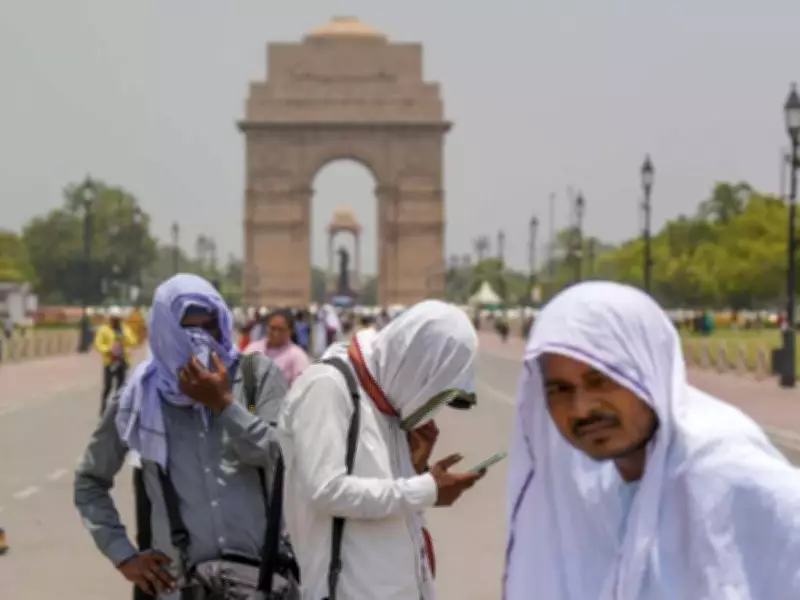
Delhi Gripped by Intense Heatwave as Temperatures Soar
The national capital, Delhi, is currently in the throes of a severe heatwave, with the Safdarjung Observatory recording temperatures that are perilously close to the 40-degree Celsius mark. According to the latest meteorological data, the mercury climbed to nearly 40°C on Tuesday, April 15, 2026, signaling the onset of what could be a prolonged period of extreme heat.
Temperature Trends and Forecasts
Weather officials have reported that the temperature at Safdarjung, which serves as the primary weather station for Delhi, reached approximately 39.8°C, just shy of the 40°C threshold. This reading represents a significant spike compared to recent days, and forecasts indicate that the situation is likely to worsen. Meteorologists predict that temperatures could rise further by 1-2 degrees Celsius over the next 48 hours, potentially pushing the city into the mid-40s range in some areas.
The India Meteorological Department (IMD) has issued a heatwave alert for Delhi and surrounding regions, urging residents to take necessary precautions. The alert highlights the risk of heat-related illnesses, such as heatstroke and dehydration, especially for vulnerable populations like the elderly, children, and outdoor workers.

Factors Contributing to the Heatwave
Several factors are contributing to this intense heatwave in Delhi. The absence of pre-monsoon showers and persistent dry winds from the northwest have created conditions conducive to rapid temperature escalation. Additionally, urban heat island effects, exacerbated by concrete structures and reduced green cover, are amplifying the heat in densely populated areas of the city.
Climate experts point out that such extreme weather events are becoming more frequent and intense due to global climate change. This heatwave aligns with broader trends of rising temperatures across India, particularly in northern regions during the summer months.
Impact on Daily Life and Health
The soaring temperatures are already impacting daily life in Delhi. Residents are advised to:
- Avoid outdoor activities during peak heat hours, typically from 11 AM to 4 PM.
- Stay hydrated by drinking plenty of water and fluids.
- Wear light-colored, loose-fitting clothing to minimize heat absorption.
- Use fans, air conditioners, or coolers to maintain indoor comfort.
Hospitals and health centers are on high alert, preparing for an influx of patients suffering from heat-related ailments. Authorities have also issued guidelines for schools and workplaces to adjust schedules or implement heat management measures to protect students and employees.
Long-Term Outlook and Preparedness
Looking ahead, the IMD forecasts that the heatwave may persist for at least the next week, with no immediate relief in sight. While isolated thunderstorms are possible later in the month, they are unlikely to significantly lower temperatures in the short term.
To mitigate the effects, the Delhi government and civic agencies are ramping up efforts, including setting up water kiosks, distributing oral rehydration salts, and increasing public awareness campaigns. These measures aim to reduce the health risks associated with prolonged exposure to high temperatures.
In conclusion, Delhi is facing a challenging period as the heatwave intensifies, with Safdarjung's temperatures nearing 40°C and expected to rise further. Residents are urged to stay informed through official weather updates and adhere to safety guidelines to navigate this extreme weather event safely.






