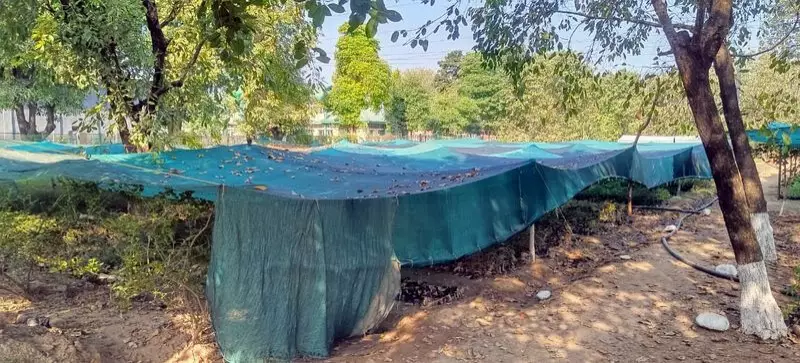
Farmers across Himachal Pradesh's subtropical belts are facing a severe agricultural challenge as an unusually prolonged dry winter period takes a heavy toll on key horticultural crops. The absence of adequate winter rains and snowfall in the lower hills is critically impacting the flowering and fruit-setting stages of mango and litchi orchards, raising alarms of a significant drop in yield for the upcoming season.
Rainfall Deficit and Its Direct Impact on Orchards
Meteorological data reveals a stark picture. From January 1 to February 20, the state experienced a massive rainfall deficit of 99 percent. This dry spell is not just a statistical anomaly but a tangible crisis in the orchards. Dr. S.P. Bhardwaj, the former Associate Director at the Y.S. Parmar University of Horticulture and Forestry in Solan, explains the science behind the damage. "Winter rains are crucial for subtropical fruit trees," he states. These rains help maintain necessary soil moisture and humidity levels around the plants during their critical reproductive phase.
For mango trees, the current period is vital for panicle (flower bunch) elongation and flowering. The extreme dry conditions are causing flower and fruit drops. Similarly, litchi trees, which are at the fruit-setting stage, are suffering. The lack of moisture is stunting the development of young fruits and leading to widespread dropping. This double blow of poor fruit set and increased drop is what spells disaster for the harvest.

Ground Reports from Key Horticultural Districts
The impact is most acutely felt in the state's prime fruit-growing regions. In districts like Solan, Sirmaur, Bilaspur, Hamirpur, and Una, farmers are witnessing distressing scenes in their fields. The visual indicators are clear: sparse flowering on mango trees and tiny litchi fruits littering the ground beneath the trees instead of maturing on the branches.
This situation is a stark contrast to the previous year, which saw abundant winter precipitation leading to a bumper crop. Farmers now fear a drastic reduction in output, which will directly hit their income. The anxiety is compounded by the fact that these high-value subtropical fruits are a major economic mainstay for thousands of families in these areas.
Expert Analysis and the Role of Climate Change
Experts like Dr. Bhardwaj are connecting these abnormal weather patterns to larger climatic shifts. The increasing frequency of such dry winters and erratic precipitation is seen as a clear symptom of climate change affecting micro-climates in the Himalayan region. The traditional agricultural calendar, followed for generations, is becoming unreliable.
While the immediate crisis is for subtropical fruits, the dry spell has a silver lining for temperate horticulture in the higher reaches. Apple growers in districts like Shimla, Kullu, and Kinnaur have benefited, as the dry cold helps control fungal diseases and is generally favorable for apple tree dormancy. However, this offers little consolation for the farmers in the lower hills.
Looking Ahead: Mitigation and Future Concerns
In the immediate term, farmers have limited options. Irrigation can provide some relief, but it is an expensive substitute for natural rainfall and often not accessible to all. The long-term solution, as per agricultural scientists, lies in adopting climate-resilient farming practices. This includes exploring drought-tolerant crop varieties, improving water conservation methods like building check dams and rainwater harvesting, and using mulching to retain soil moisture.
The current crisis underscores the vulnerability of India's agricultural sector to weather vagaries. For Himachal Pradesh, a state where horticulture is a pillar of the rural economy, protecting this sector requires proactive planning, research into adaptable crops, and policies that support farmers during such climate-induced distress. The fate of this season's mango and litchi harvest now hinges on whether the region receives timely pre-monsoon showers, a hope that every farmer is desperately clinging to.