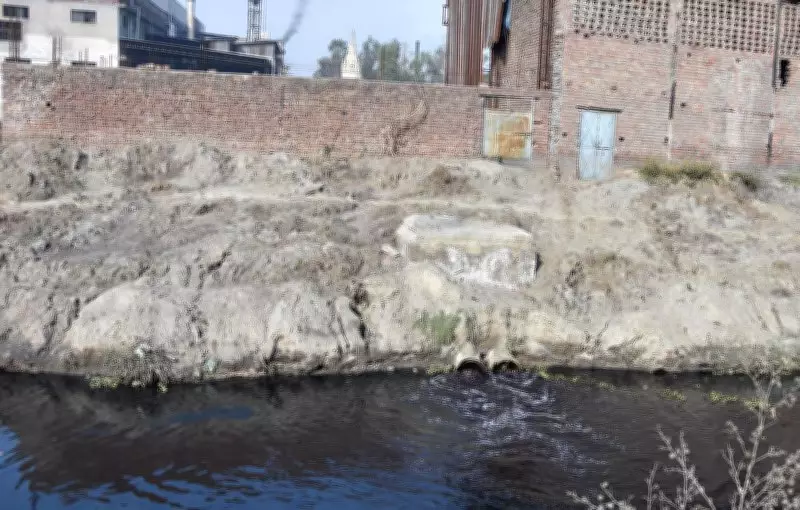
Suspected Dyeing Industry Effluents Found in Fields Near Ludhiana's Tajpur Road
In a concerning environmental development, suspected effluents from dyeing industries have been discovered contaminating agricultural fields near Tajpur Road in Ludhiana. This incident has sparked significant alarm among local residents and environmental authorities, highlighting potential risks to soil health, water quality, and public safety.
Details of the Contamination Incident
The contamination was identified in fields located in the vicinity of Tajpur Road, a key area in Ludhiana known for its industrial and agricultural activities. Initial reports suggest that the effluents, which are suspected to originate from nearby dyeing units, have seeped into the soil, affecting crop lands and posing a threat to groundwater sources. The exact source and composition of the pollutants are currently under investigation by local environmental agencies.
Residents in the area have expressed growing concerns over the potential health hazards associated with the contamination. Exposure to industrial effluents can lead to serious health issues, including skin irritations, respiratory problems, and long-term toxic effects. Farmers are particularly worried about the impact on their crops, as contaminated soil can reduce agricultural productivity and compromise food safety.

Environmental and Regulatory Implications
This incident underscores broader issues related to industrial pollution in Ludhiana, a major industrial hub in Punjab. Dyeing industries, in particular, are often associated with the discharge of harmful chemicals and untreated wastewater, which can have devastating effects on the environment if not properly managed. The discovery near Tajpur Road raises questions about the enforcement of environmental regulations and the effectiveness of waste disposal practices in the region.
Local authorities have been urged to take immediate action to address the contamination. This includes conducting thorough inspections of dyeing units in the area, implementing stricter monitoring of effluent discharge, and ensuring that industries comply with environmental standards. Additionally, there are calls for remediation efforts to clean up the affected fields and prevent further spread of pollutants.
Community Response and Future Steps
The community around Tajpur Road has mobilized to demand accountability and swift intervention from government bodies. Public meetings and protests have been organized to highlight the urgency of the situation and push for sustainable solutions. Environmental activists are advocating for the adoption of cleaner technologies in dyeing industries and better waste management systems to prevent similar incidents in the future.
Looking ahead, it is crucial for stakeholders, including industry representatives, regulatory agencies, and local residents, to collaborate on developing long-term strategies to mitigate industrial pollution. This may involve investing in effluent treatment plants, promoting eco-friendly practices, and enhancing public awareness about environmental protection. The incident near Tajpur Road serves as a stark reminder of the need for vigilant oversight and proactive measures to safeguard our natural resources and public health.