

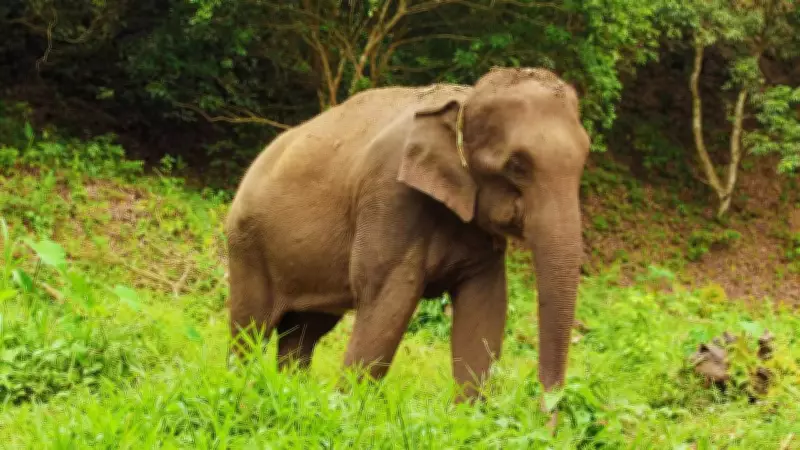
Elephant Herd Terrorizes Bokaro Villages, Residents Flee Homes for Rooftops
In the Gomia block of Bokaro district, a chilling new normal has taken hold. The familiar rhythms of rural life—laughter echoing across fields, communal gatherings in the sun or under tree shades—have vanished. Instead, fear grips the villages as marauding elephants terrorize the area, forcing families to abandon their mud homes and seek precarious refuge on the rooftops of concrete structures.
A Nightmare Unfolding Since 2026
The year 2026 has proven to be a harbinger of devastation for these communities. Since its onset, aggressive elephant herds have been relentlessly raiding villages, resulting in tragic loss of human life, widespread destruction of homes, granaries, and standing crops. The past week alone has seen at least five fatalities and numerous injuries, sparking large-scale panic across Gangpur, Badkipunnu, and surrounding settlements.
"We cook before sunset and immediately shift our children to safer rooftops. Nights are spent wide awake, straining to hear any warning calls," recounted Rupa Kumari, a resident of the forest-side village Gangpur. Her words capture the pervasive anxiety that has replaced peace.

Another villager, Jeevanlal Sah, echoed this sentiment, detailing the harsh realities of their new existence. "After sunset, we leave our mud homes and climb onto safer concrete roofs. The cold is brutal, but the fear of staying at home is far worse. We haven’t slept properly for days. Every warning announcement makes our hearts race, yet remaining inside our houses feels even more dangerous," he said.
Administrative Response Intensifies
In response to the escalating crisis, the forest department has significantly ramped up preventive measures. A specialized 19-member team has been dispatched from Bakura in West Bengal to bolster local efforts in deterring the elephants.
IFS officer Sudeep Shinde, overseeing the Bokaro forest division, outlined the multi-pronged strategy being implemented. "Continuous patrolling is underway, torches have been installed at vulnerable locations, and drone surveillance is actively monitoring jungle areas to track elephant movements," he stated. "Additionally, six quick response teams (QRTs) have been deployed to gather real-time information and promptly alert villagers."
Shinde provided crucial details about the elephant population in the region, noting, "Approximately 42 elephants are currently moving through the Luggu foothills forests in Gomia block. The herd of five elephants responsible for the attacks is part of this larger group but has now separated. The most aggressive member of this smaller herd is a female elephant."
Long-Term Solutions and Immediate Safety
Bokaro District Collector Ajay Nath Jha emphasized the administration's serious approach, balancing immediate safety with sustainable solutions. "Our priority is ensuring public safety while protecting traditional elephant corridors," Jha affirmed. "We are planning the installation of solar lights, high-mast lights, and solar fencing in the affected panchayats. Furthermore, strict action is being taken against illegal mining and other forest crimes that disrupt wildlife movement."
The administration has also committed to providing all possible governmental assistance to the families of the deceased. Officials stressed that coordinated efforts involving the district administration, police, forest department, and local communities will persist to prevent further loss of life and restore a semblance of security to the traumatized residents.
As loudspeakers blare warnings through the night, drones buzz overhead, and patrols intensify, the people of Gomia block endure sleepless nights in the biting cold—a stark testament to the severe human-wildlife conflict unfolding in rural Jharkhand.






