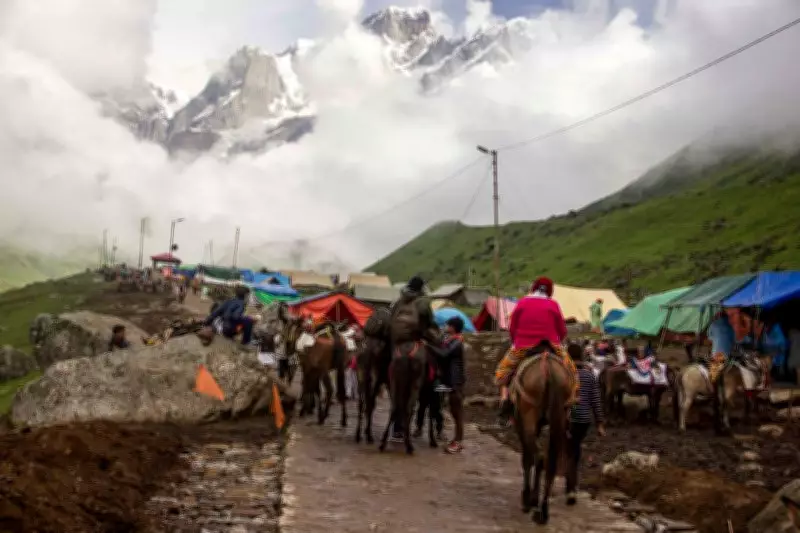
The Char Dham Yatra, one of the most revered Hindu pilgrimages in India, has long been a spiritual journey for millions. However, the increasing number of pilgrims is taking a toll on the fragile Himalayan ecosystem and the safety of devotees. Experts and environmentalists are now calling for strict enforcement of carrying capacity to manage the rush and preserve the sanctity of these sacred sites.
The Growing Challenge of Overcrowding
Every year, the Char Dham circuit—comprising Yamunotri, Gangotri, Kedarnath, and Badrinath—attracts lakhs of pilgrims. The numbers have surged dramatically, leading to severe congestion, waste management issues, and strain on local resources. During the peak season, long queues, traffic jams, and inadequate facilities compromise the pilgrimage experience and pose serious risks.
In 2023, the Uttarakhand government recorded over 50 lakh pilgrims, a significant increase from previous years. This influx has raised concerns about environmental degradation, including deforestation, pollution of rivers, and damage to alpine meadows. The fragile ecosystem of the Himalayas is struggling to cope with the human footprint.

Safety Risks and Infrastructure Strain
Overcrowding also leads to safety hazards. In 2021, a stampede at Kedarnath claimed several lives, highlighting the urgent need for crowd management. The narrow paths and steep terrains become dangerous when packed with pilgrims. Moreover, the existing infrastructure—roads, parking, accommodation, and medical facilities—is insufficient to handle the massive rush.
The state government has attempted to regulate the yatra through online registration and caps on daily visitors. However, enforcement remains weak, and illegal pilgrim entries continue. Experts argue that without a scientific carrying capacity assessment, these measures are ineffective.
What is Carrying Capacity?
Carrying capacity refers to the maximum number of visitors a destination can sustain without causing unacceptable environmental degradation or compromising visitor experience. For Char Dham, this involves evaluating ecological sensitivity, waste assimilation capacity, water availability, and infrastructure limits. A study by the Wildlife Institute of India recommended daily caps for each shrine, but these have not been fully implemented.
Environmentalists emphasize that carrying capacity must be dynamic, considering seasonal variations and climate change impacts. For instance, glacial retreat and changing weather patterns affect water sources and trail stability.
Steps Towards Sustainable Pilgrimage
To enforce carrying capacity, the Uttarakhand government needs to adopt a multi-pronged approach:
- Scientific Assessment: Conduct comprehensive studies to determine precise carrying capacity for each site and route.
- Strict Regulation: Implement mandatory online registration with real-time monitoring of pilgrim numbers. Use technology like RFID tags to track movement.
- Infrastructure Upgrades: Improve waste management, sanitation, and emergency services. Develop alternative routes and base camps to disperse crowds.
- Public Awareness: Educate pilgrims about responsible tourism and the importance of preserving natural and cultural heritage.
- Legal Framework: Enact laws to penalize violations and ensure compliance by tour operators and local businesses.
Some experts also propose a quota system, where a limited number of passes are issued per day, similar to the Amarnath Yatra model. This would help manage the flow and reduce pressure on the ecosystem.
Balancing Faith and Conservation
The Char Dham Yatra is not just a religious journey but also a significant economic driver for Uttarakhand. Local communities depend on pilgrimage tourism for their livelihoods. Therefore, any regulation must balance conservation with the needs of the people. A sustainable approach can ensure that future generations can also experience this spiritual journey without compromising the environment.

The time has come for decisive action. The Uttarakhand government, in collaboration with environmental agencies and religious bodies, must enforce carrying capacity to protect the Himalayas and ensure a safe, fulfilling pilgrimage for all. The sanctity of Char Dham depends on it.