

Eravikulam National Park to Welcome Visitors Again from April 1
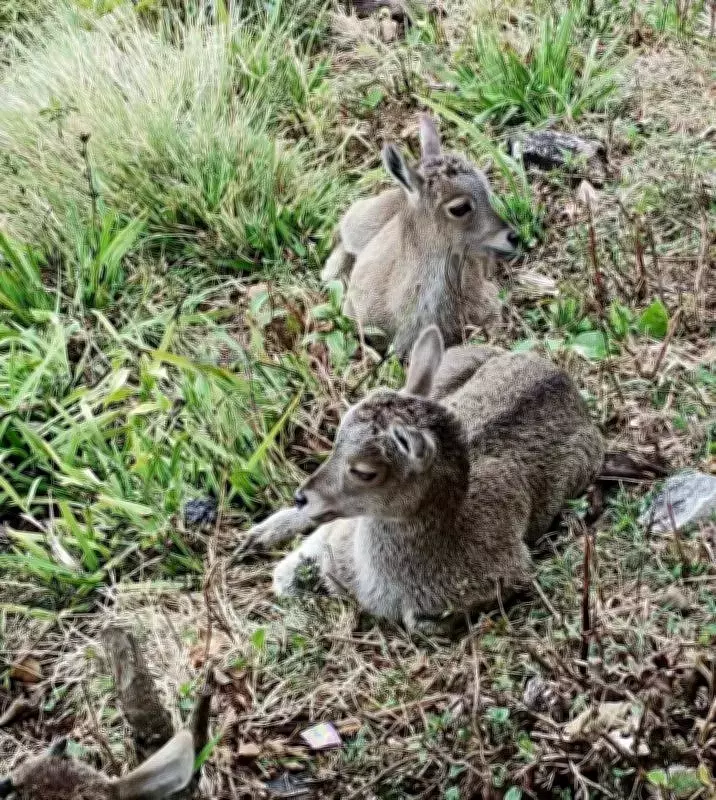
The Forest Department has officially granted permission for the reopening of Eravikulam National Park to visitors starting April 1. This scenic park, located in the Idukki and Kochi regions, had been temporarily closed to the public since February 1 to protect the breeding season of the endangered Nilgiri Tahr.
Nilgiri Tahr Population and Conservation Efforts
In the 2025 census, a total of 841 Nilgiri Tahrs were recorded within the park, including 144 newborns from that year. Forest officials estimate that approximately 100 new calves have been born during this year's breeding season. The annual census for the current year is scheduled to commence in April, providing updated data on the population.
Since the park's establishment in 1975, conservation efforts have been ongoing. The first official count of Nilgiri Tahrs was conducted by the Forest Department in 1996, documenting 640 animals. However, the initial scientific study and population estimation took place much earlier, in 1969, led by George B. Schaller, then director of the New York Zoological Society. With assistance from tribal guide Rangaswamy Muthuvan, this study identified 550 animals.

Subsequent counts by naturalists have further tracked the population. E.R.C. Davidar estimated 550 animals in 1978, while Clifford G. Rice recorded 580 in 1980 and 614 in 1981. Since 1998, the Forest Department has maintained an annual census to monitor these majestic creatures closely.
Challenges and Global Significance of Nilgiri Tahrs
Nilgiri Tahrs typically give birth among the rocky cliffs and grasslands on the eastern slopes of the park. Unfortunately, only about 45% of the newborns survive the harsh environmental conditions. These animals have an average lifespan of around 30 years, with adults capable of weighing up to 150 kilograms.
Globally, the Nilgiri Tahr population is critically low, with only about 2,500 individuals remaining. Over 1,100 of these are found in the Western Ghats, highlighting the importance of Eravikulam National Park as a key habitat for their survival. The park's seasonal closure and ongoing conservation initiatives play a vital role in safeguarding this endangered species for future generations.






