Erratic Weather Patterns Trigger Farmer Anxiety in Jalandhar Ahead of Harvest Season
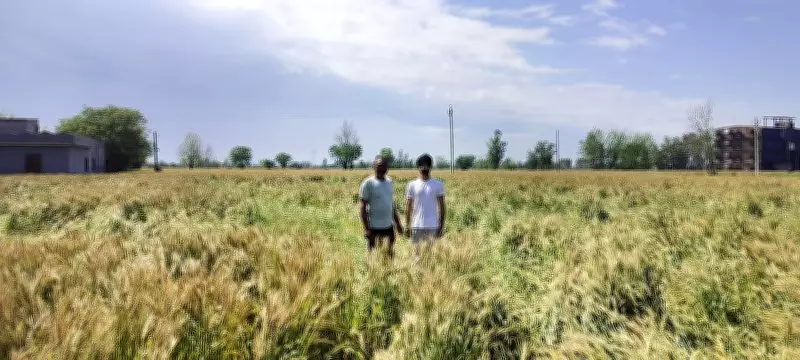
Farmers in the Jalandhar region are grappling with mounting anxiety as unpredictable weather conditions, marked by abrupt shifts from intense heat to sudden rainfall, pose significant threats to their crops just before the crucial harvest period. This erratic climatic behavior is disrupting agricultural schedules and raising concerns over potential yield losses, which could have severe economic repercussions for the local farming community.
Sudden Weather Swings Disrupt Agricultural Rhythms
The recent weather anomalies have seen temperatures soar unexpectedly, followed by unseasonal downpours that catch farmers off guard. These rapid transitions are not only hampering field preparations but also increasing the risk of crop diseases and pest infestations. Such volatility is particularly alarming during the pre-harvest phase, when crops are most vulnerable to environmental stressors, potentially compromising both quality and quantity.
Economic and Psychological Impact on Farmers
Beyond the immediate agricultural challenges, the erratic weather is fueling deep-seated anxiety among farmers, who rely heavily on stable conditions for their livelihoods. The uncertainty surrounding harvest outcomes adds to financial strain, as many have invested substantial resources in this season's crops. Community discussions highlight fears of reduced incomes and the broader implications for food security in the region.

Broader Implications for Regional Agriculture
This situation underscores the growing impact of climate variability on agriculture in Punjab and similar regions. Experts warn that without adaptive strategies, such weather patterns could become more frequent, necessitating:
- Enhanced irrigation and drainage systems to manage sudden rainfall.
- Adoption of resilient crop varieties that withstand climatic shocks.
- Improved weather forecasting tools to aid in timely decision-making.
As harvest time approaches, farmers remain on edge, hoping for more stable conditions to salvage their hard work and secure their economic futures.