Europe's Ukraine Troop Deployment Plan Faces Major Setback Amid Putin's Stern Warning
A significant and potentially dramatic shift appears to be unfolding in Europe's strategic approach to the ongoing conflict in Ukraine. Recent reports indicate that Western nations, including key European powers, could now be compelled to seek explicit consent from Moscow before deploying any military forces onto Ukrainian territory. This development marks a stark and notable departure from the earlier, more assertive public rhetoric that had characterized discussions about military support for Kyiv.
From Deterrent to Diplomatic Concession
Initially, European leaders had framed the proposal for troop deployment as a post-war deterrent mechanism, designed to ensure long-term stability and security in the region. However, behind closed doors, a growing wave of concern over the risks of escalation has begun to dominate high-level conversations. The once-bold plan, which envisioned a robust Western military presence, is now increasingly viewed as hypothetical rather than imminent.
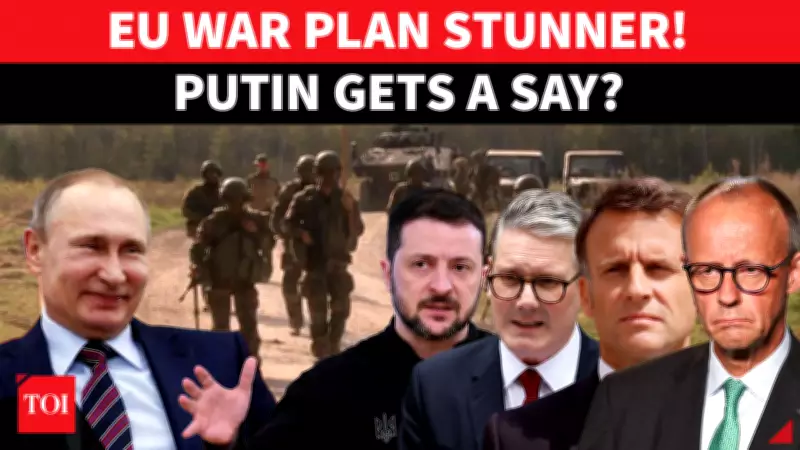
Russian President Vladimir Putin has issued unambiguous warnings, stating clearly that any foreign troops entering Ukraine would be treated as legitimate military targets. These warnings are not being dismissed lightly; they appear to be resonating deeply within European capitals, where policymakers are recalculating the costs and consequences of direct involvement.

Testing NATO Unity and U.S. Commitments
The situation is further complicated by visible strains on NATO unity and uncertainties surrounding U.S. security guarantees. With alliance cohesion being tested and American commitments under scrutiny, the logistical and political feasibility of deploying troops has become a subject of intense debate. The requirement for Moscow's consent introduces a new layer of diplomatic complexity, effectively handing Russia a veto power over Western military movements in Ukraine.
This shift underscores a broader recalibration of Europe's Ukraine strategy, moving from a posture of potential intervention to one of cautious restraint. The emphasis is now on avoiding actions that could trigger a wider conflict, even as support for Ukraine's defense continues through other means.
Implications for Future Strategy
The evolving dynamics suggest that Europe's approach is becoming more risk-averse, prioritizing de-escalation over military posturing. Key implications include:
- A potential reduction in the scale and scope of planned military deployments to Ukraine.
- Increased reliance on diplomatic channels and negotiated settlements to address security concerns.
- A reevaluation of long-term defense partnerships and alliance structures in light of these new constraints.
As the conflict continues, the balance between supporting Ukraine and managing escalation risks will remain a critical challenge for Western leaders. The current stall in troop deployment plans highlights the profound impact of geopolitical warnings and the fragile nature of international security arrangements in times of crisis.