Former Bangladeshi Foreign Minister Slams UN Human Rights Report
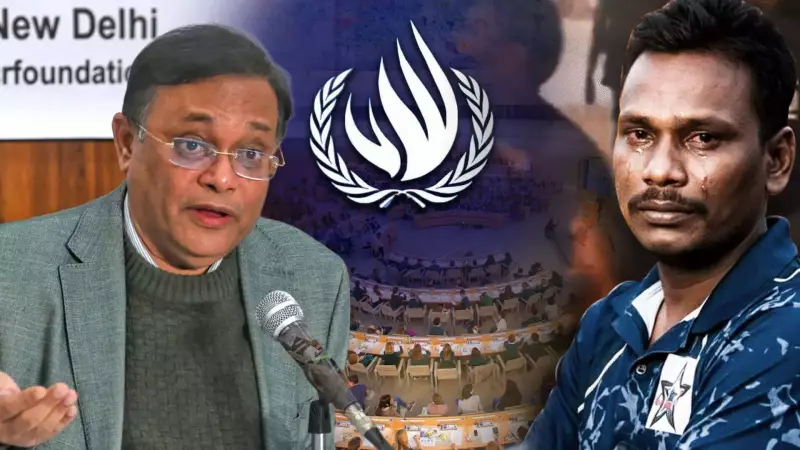
Hasan Mahmud, the former Foreign Minister of Bangladesh, delivered a sharp rebuke to the United Nations High Commissioner for Human Rights. He spoke at a press conference held in New Delhi. Mahmud targeted a recent UNHRC report covering student-led unrest in Bangladesh during July and August of 2024.
Allegations of Bias and Inaccuracy
Mahmud labeled the UN document as both biased and misleading. He argued that the report depended on casualty figures he described as inflated and inconsistent. The former minister pointed to official Bangladeshi data which recorded approximately 800 deaths. This official count included incidents not directly linked to the protests, a detail he claimed the UN report ignored.
Mahmud announced plans to file formal objections with the UN Secretary-General and other relevant UN bodies. He expressed strong dissatisfaction with the report's methodology and conclusions.

Claims of Political Persecution and Violence
The former official raised several serious allegations concerning the aftermath of the protests. He spoke of large-scale arrests targeting supporters of the Awami League, the ruling political party in Bangladesh. Mahmud also mentioned deaths occurring while individuals were in custody.
He highlighted a particularly troubling trend of mob lynching incidents. Mahmud specifically claimed that members of the Hindu community in Bangladesh have been among the recent victims of this brutal violence. This statement underscored his broader concerns about the security situation and human rights.
Significance of the New Delhi Venue
Hasan Mahmud explained his decision to hold the press conference in India's capital. He said the choice reflected the deep historical ties between Bangladesh and India. The former minister also emphasized the shared democratic values that bind the two neighboring nations.
His comments in New Delhi brought international attention to the ongoing political and social tensions within Bangladesh. The critique of a major UN body's report adds a significant layer to the global discourse on the 2024 events.