

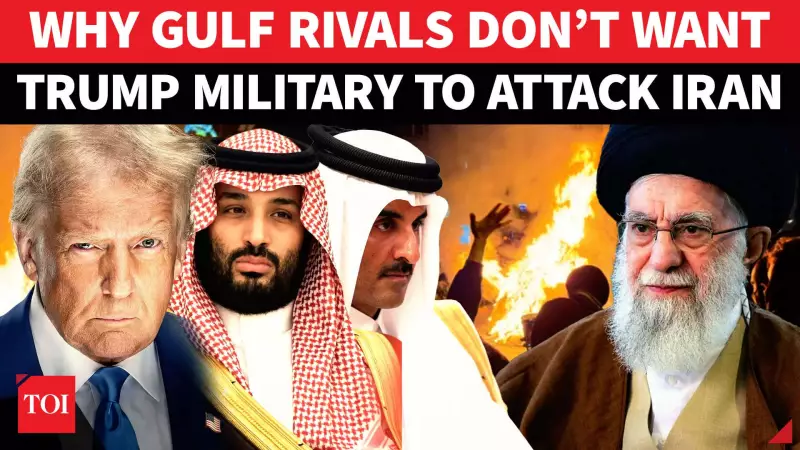
Arab Nations Maintain Silence as Iran Faces Deadly Protests
Deadly protests continue to shake Iran, yet the Arab world's response remains strikingly quiet. Many Arab states have long opposed Tehran's influence across the region. However, they are now choosing caution over confrontation in this volatile situation.
Fear Drives the Silence in Arab Capitals
Behind this silence lies a deep-seated fear of chaos and instability. Arab leaders worry about several critical factors. They fear economic shocks that could disrupt oil markets and trade. The potential for massive refugee flows across borders alarms them. Most importantly, they dread the risk of a wider regional war that could engulf the entire Middle East.
Gulf nations are taking their concerns directly to the United States. They are privately warning American officials against launching military strikes on Iran. These warnings focus on practical consequences. They worry about oil price volatility and potential Iranian retaliation. The possibility of instability spilling across their borders keeps Gulf leaders awake at night.

Why Arab States Fear Iran's Collapse
Arab leaders currently fear Iran's collapse more than they fear its current regime. This perspective might seem surprising given historical tensions. However, their calculation is straightforward. A stable Iran, even under its current leadership, presents a known quantity. Chaos following regime collapse creates unpredictable dangers.
The silence from Arab capitals reveals much about contemporary Middle East geopolitics. It shows how regional powers prioritize stability above all else. It demonstrates their reluctance to engage in direct confrontation. This cautious approach reflects lessons learned from recent regional conflicts.
Arab nations remember the consequences of the Iraq war and the Syrian conflict. They witnessed how regime changes can unleash long-term instability. These memories make them extremely cautious about supporting unrest in neighboring Iran. Their primary goal remains preventing regional escalation at all costs.
The geopolitical landscape of the Middle East continues to evolve rapidly. Arab silence on Iran's protests serves as a clear indicator of current priorities. Regional stability outweighs ideological differences for most Arab governments today. This pragmatic approach defines their foreign policy in these turbulent times.






