

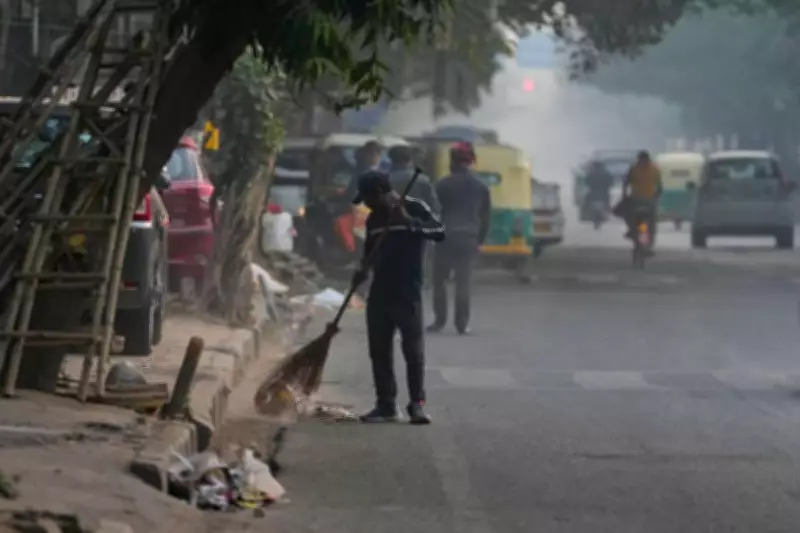
Explained: The Sudden Dusty Weather and Low Visibility Across Delhi NCR
Delhi and the National Capital Region (NCR) have been grappling with a sudden onset of dusty weather and significantly reduced visibility, causing disruptions and health concerns among residents. This phenomenon, which emerged unexpectedly, has left many wondering about the underlying causes and potential impacts.
What's Behind the Dusty Conditions?
The primary factor contributing to the dusty weather is a local dust storm that originated in the arid regions surrounding Delhi. Meteorological experts point to a combination of high surface temperatures, which have dried out the soil, and strong westerly winds that have lifted loose dust particles into the atmosphere. These winds, blowing at speeds of up to 30-40 kilometers per hour, have transported the dust across the NCR, leading to hazy skies and poor air quality.
Additionally, the lack of recent rainfall has exacerbated the situation, as moisture typically helps settle dust. With temperatures soaring above seasonal averages, the dry conditions have created an ideal environment for dust suspension. The India Meteorological Department (IMD) has noted that such events are not uncommon during this time of year, but the intensity and suddenness of this episode have raised alarms.

Impact on Visibility and Daily Life
The low visibility, dropping to as little as 500 meters in some areas, has affected transportation and daily activities. Flights at the Indira Gandhi International Airport experienced minor delays, while road traffic slowed down due to reduced sightlines. Authorities have advised commuters to exercise caution and use headlights during daytime driving.
Health experts have warned that the dusty air can aggravate respiratory conditions such as asthma and bronchitis. The fine particulate matter (PM2.5 and PM10) levels have spiked, posing risks especially to children, the elderly, and individuals with pre-existing health issues. Residents are recommended to stay indoors when possible and use masks if venturing outside.
Long-term Implications and Preventive Measures
While this event is largely driven by natural factors, it highlights the ongoing challenges of air pollution in the region. Experts emphasize the need for better dust management practices, including covering construction sites and increasing green cover to reduce soil erosion. The government has been urged to implement stricter regulations on industrial emissions and vehicular pollution, which can compound the effects of natural dust storms.
Looking ahead, the IMD predicts that the dusty conditions may persist for a few more days until wind patterns shift or rainfall occurs. In the meantime, citizens are encouraged to monitor air quality indices and take necessary precautions. This incident serves as a reminder of the delicate balance between natural weather phenomena and human activities in urban environments like Delhi NCR.






