

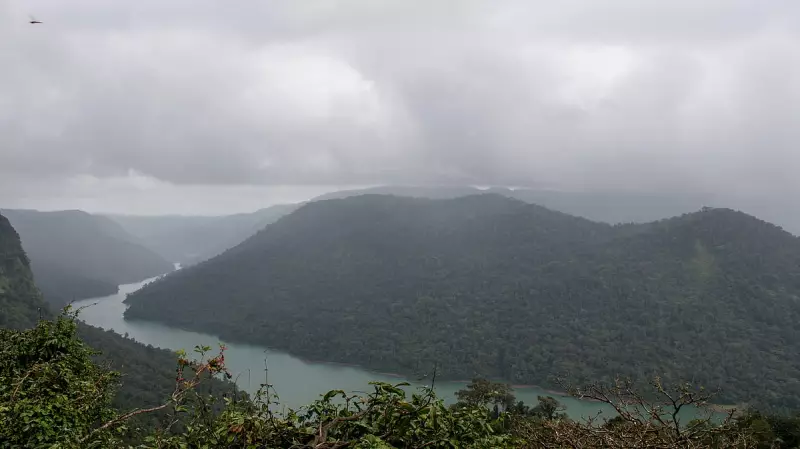
Environment Panel Under Fire for Using Outdated Data in Sharavathy Project Review
A recent environmental review of the Sharavathy project has sparked controversy after revelations that the environment ministry panel relied on false and outdated data during their assessment process. The incident raises serious questions about the integrity of environmental clearance procedures in sensitive ecological zones.
The Data Discrepancy Controversy
According to documents reviewed, the state government provided specific information about land disturbance calculations that contradicted the panel's findings. The government clarified that constructing tunnel roads as an alternative to surface roads for accessing the power house would require disturbing nearly 28 acres of land. This stands in stark contrast to the mere 16 acres needed for widening the existing road from 3.5 to 5 metres.
The significant difference in land impact between the two approaches highlights the importance of accurate data in environmental decision-making. The panel's apparent reliance on incorrect information could have led to substantially different recommendations regarding the project's implementation.

Project Details and Timeline
The controversy emerged around November 8, 2025, when the discrepancies came to light. The Sharavathy Valley project, located in a sensitive ecological region, has been under scrutiny for its potential environmental impact. The project involves infrastructure development including road construction and power house access routes in the biodiverse Sharavathy region.
The state government's response indicated that the tunnel road option, initially considered as potentially less disruptive, would actually cause significantly more land disturbance than simply widening the existing roadway. This revelation undermines the panel's assessment methodology and calls into question their overall evaluation of the project's environmental impact.
Broader Implications for Environmental Governance
This incident has raised concerns about the transparency and reliability of environmental clearance processes across India. Environmental activists and local communities have expressed alarm about how such data inaccuracies could affect conservation efforts in ecologically sensitive areas like the Sharavathy valley.
The use of outdated or false information in environmental assessments could set a dangerous precedent, potentially enabling projects that cause greater ecological damage than properly evaluated alternatives. This case particularly highlights the need for:
- Regular verification of data used in environmental reviews
- Increased transparency in the assessment process
- Stricter accountability measures for review panels
- Independent verification of government and project data
As the story develops, environmental groups are calling for a complete reevaluation of the Sharavathy project review using accurate, current data. The incident serves as a crucial reminder of the importance of data integrity in environmental conservation and sustainable development decisions.






