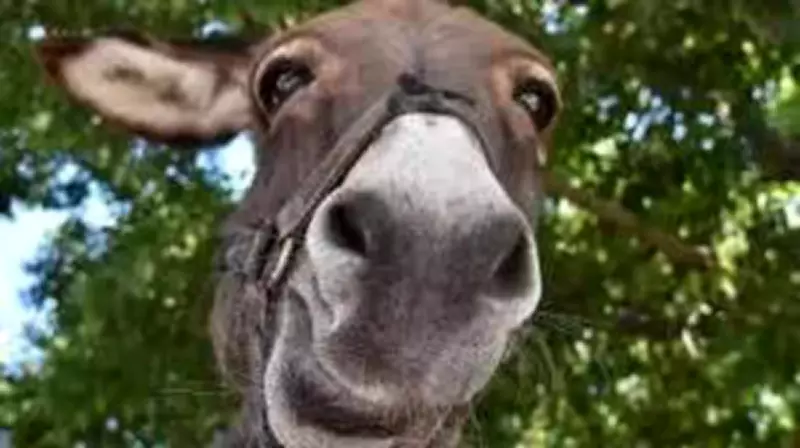
Five Donkeys Found Dead at Raigad Fort, Sparking Outrage Over Animal Cruelty
In a distressing incident at Raigad Fort in Navi Mumbai, five donkeys have been found dead, with their carcasses allegedly dumped at the Konzhar ghat, approximately 6 kilometers away from the historic fort. The discovery has ignited local fury and raised serious questions about animal welfare practices in the area.
Contractors Exploiting Donkeys for Transport
Reports indicate that around 100 donkeys are currently being used by contractors to transport heavy materials such as stones, boulders, lime, and even toilet commodes along the treacherous trek path from the foothill to the fort. Approximately eight contractors engaged in various development works have been relying on these animals for the past 4-5 years, during which an estimated 20-30 donkeys have perished due to harsh conditions.
The recent deaths came to light a few days ago when locals began complaining of breathing difficulties and foul odors emanating from a valley en route to the fort, where the carcasses had been discarded. The animal husbandry department and livestock development offices have confirmed they had no prior information about these incidents, highlighting a lapse in oversight.

Local Demands for Accountability
Residents are demanding immediate and appropriate action against those responsible for the donkeys' deaths. Many allege that contractors working under the Raigad Development Authority (RDA) are prioritizing profits over humane practices by using donkeys instead of the available ropeway for material transport.
Activist Dipak Swain expressed shock, stating, "It is shocking to learn about the dumping of the animals around the ghat section of the fort area." This sentiment is echoed by locals who are calling for stricter enforcement of animal protection laws.
Harsh Conditions and Lack of Care
An Archaeological Survey of India (ASI) staffer revealed that donkeys make two trips daily by 10 am before visitors arrive, but suffer from inadequate food provisions and healthcare. Rising temperatures in the fort area have further exacerbated their health issues. The staffer noted, "Our contractors use the ropeway for the transport of their materials or goods," suggesting a disconnect between policy and practice.
Pachad sarpanch Mahesh Bendugade confirmed the use of donkeys for transporting construction materials, underscoring the widespread nature of this practice.
Official Response and Ongoing Investigations
Dr. Subhash Dalvi, assistant commissioner of animal husbandry, stated, "No information has been obtained about the death of the donkeys by our department. An inspection will be conducted." This response indicates a planned inquiry into the matter, though details on timelines remain unclear.
The ASI and RDA are jointly engaged in conservation efforts and providing facilities for visitors at the fort. The RDA, through the Public Works Department and other agencies, employs 7-8 contractors who transport materials. These contractors are reportedly using donkeys to navigate the difficult step path and its sides to scale the 2,700-foot-high fort, putting the animals at significant risk.
As temperatures continue to rise, concerns mount over the welfare of the remaining donkeys and the need for sustainable, humane alternatives in construction and development projects at this historic site.