

Navi Mumbai's Flamingo Lake Conservation Stalled by Administrative Delays
In Navi Mumbai, the protection of DPS Flamingo Lake, a vital destination for pink migratory birds in Nerul, remains entangled in bureaucratic red tape. This administrative gridlock coincides with an unusually delayed arrival of winter migratory flamingos this year, raising alarms among environmentalists and conservation groups.
Urgent Appeals for Government Action
In a recent representation to Chief Minister Devendra Fadnavis, environmental advocates have called for the immediate issuance of a long-pending Government Resolution (GR). This GR is crucial as it would grant Conservation Reserve status to the lake and transfer its maintenance responsibilities to the forest department. Although the State Wildlife Board, chaired by the CM, approved the proposal in April 2025, the formal GR confirming this status has yet to be released, leaving the lake in a precarious state.
Ecological Crisis at the Lake
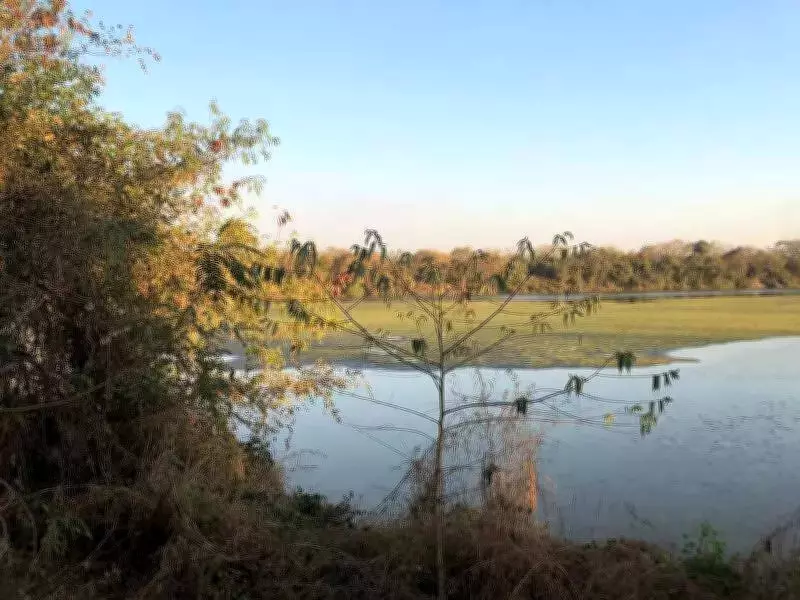
The lake is currently facing severe environmental challenges, with a thick carpet of green algae spreading across extensive sections of the waterbody. This algal bloom poses significant risks, including oxygen depletion and habitat degradation, which could deter flamingos and other wildlife. Experts attribute the bloom to stagnant water conditions caused by impaired intertidal flow. Specifically, outlet pipelines have been positioned too high, preventing effective drainage during low tides, and the main southern water flow channel remains buried under an access road constructed by the City and Industrial Development Corporation (Cidco).

Jurisdictional Conflicts and Conservation Efforts
Despite the state's decision to conserve the area, Cidco continues to control the lake, classifying it as a developable land parcel. The agency has even installed warning signs stating that the plot belongs to CIDCO and that trespassers will be prosecuted. This jurisdictional overlap has hindered conservation efforts, such as a clean-up drive initiated by the Mangrove Cell, which could not be completed due to these constraints. B N Kumar, director of the NatConnect Foundation, emphasized the urgency of the situation, stating, "It is crucial for the government to issue the GR confirming the Conservation Reserve status and hand the lake over to the Forest Department for its maintenance."
Role in Regional Bird Habitat
DPS Flamingo Lake, along with other wetlands like TS Chanakya and NRI Lake, serves as a critical secondary habitat during high tide for birds from the Thane Creek Flamingo Sanctuary. V K Gandhi, President of the Navi Mumbai Environment Preservation Society (NMEPS), highlighted that the delay in issuing the GR weakens conservation enforcement. He stressed that the lake cannot remain under fragmented control and must be formally transferred to the Forest Department to prevent further ecological damage.
Proposed Solutions and Migratory Patterns
To address the immediate threats, NatConnect has suggested several measures to the Mangrove Cell, including deploying a boat to remove algae, lowering outlet pipes to restore proper low-tide flushing, and reopening the blocked southern water channel. Meanwhile, senior scientist Mrugank Prabhu of the Srushti Conservation Foundation, who tracks migratory patterns along the Central Asian Flyway, noted that large numbers of flamingos are currently concentrated in Gujarat's wetlands, such as the Rann of Kutch. "There is still substantial water availability there. The birds are likely to start moving towards the Mumbai region by the second week of March," he explained, indicating that climate and hydrological conditions influence their flight timing.
Concerns Over Habitat Health
Echoing these concerns, Sandeep Sareen of NMEPS warned about the importance of maintaining the wetland's health. "The health of the wetland is critical. Last year, once intertidal flow was restored, thousands of flamingos swarmed the lake. If the habitat is compromised, the birds will simply look elsewhere," he said, underscoring the need for prompt action to preserve this key ecological site for future migratory seasons.






