

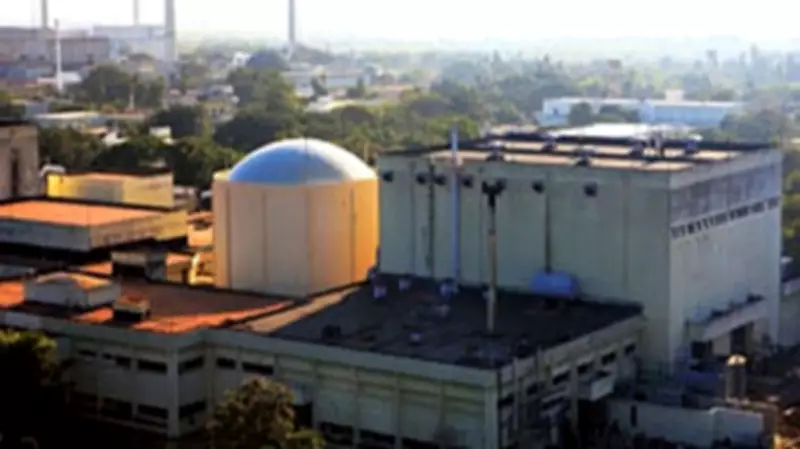
India Achieves Nuclear Criticality, Second Only to Russia in Milestone
India has successfully achieved nuclear criticality, positioning itself as the second nation globally to accomplish this feat, following Russia. This significant milestone marks the beginning of a sustained nuclear fission chain reaction, bringing the reactor one decisive step closer to full operational status.
Understanding Nuclear Criticality
Nuclear criticality refers to the state where a nuclear reactor sustains a chain reaction of fission at a constant rate. This is a crucial phase in the startup process of a nuclear power plant, as it indicates that the reactor is capable of producing energy through controlled nuclear reactions.
The achievement involves precise control and monitoring to ensure safety and stability, as it sets the stage for the reactor to generate power efficiently once fully operational.

Implications for India's Nuclear Program
This development underscores India's advancements in nuclear technology and energy independence. By achieving criticality, India demonstrates its capability to manage complex nuclear processes, which could enhance its energy security and reduce reliance on fossil fuels.
Key aspects of this milestone include:
- Enhanced Energy Production: The reactor is now poised to contribute to India's power grid, supporting national energy needs.
- Technological Prowess: It highlights India's growing expertise in nuclear science, aligning with global standards.
- Strategic Significance: As the second country after Russia to reach this stage, it bolsters India's position in the international nuclear community.
Next Steps Towards Full Operation
With criticality achieved, the focus shifts to the final phases of reactor commissioning. This involves:
- Testing and calibration to ensure optimal performance.
- Gradual increase in power output to reach full capacity.
- Rigorous safety checks to comply with regulatory standards.
Once these steps are completed, the reactor is expected to become fully operational, contributing to India's clean energy goals and supporting sustainable development initiatives.
This milestone not only advances India's nuclear capabilities but also sets a precedent for future projects in the sector, reinforcing the country's commitment to innovation and energy security.






