Omar Abdullah Raises Questions on US Gains in West Asia Conflict Post-Ceasefire
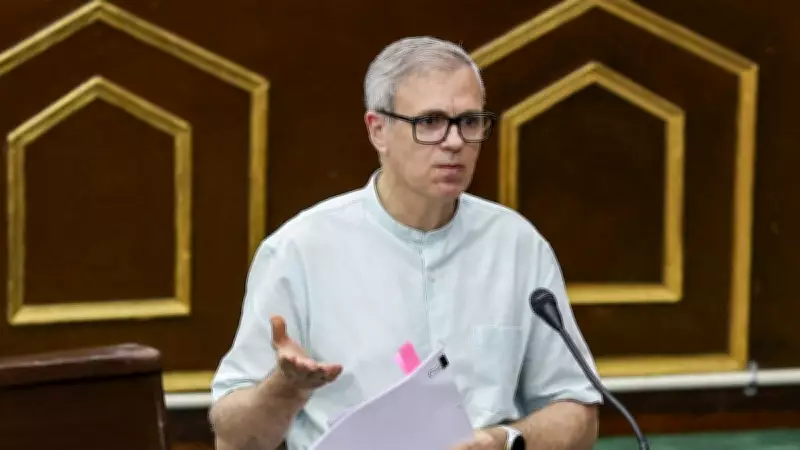
In a recent statement, Omar Abdullah, the former Chief Minister of Jammu and Kashmir, has openly questioned the strategic advantages gained by the United States from the ongoing conflict in West Asia, particularly in light of a newly announced ceasefire agreement. His remarks come at a time when global attention is focused on the volatile region, and they highlight broader concerns about international diplomacy and conflict resolution efforts.
Context of the Ceasefire Deal and Regional Tensions
The ceasefire deal, which was brokered after intense negotiations involving multiple stakeholders, aims to temporarily halt hostilities in West Asia. However, Abdullah pointed out that despite this diplomatic progress, the underlying issues fueling the conflict remain largely unaddressed. He emphasized that the United States, as a key player in the region, might not have achieved its intended objectives, raising doubts about the long-term effectiveness of such agreements.
Abdullah stated, "While the ceasefire is a welcome step towards peace, we must critically assess what the United States has truly gained from this prolonged conflict. The human and economic costs have been staggering, and it is imperative to evaluate whether these efforts align with sustainable peace-building goals."

Implications for Global and Regional Stability
Abdullah's comments underscore a growing sentiment among political observers who argue that foreign interventions in West Asia often yield mixed results. He noted that the conflict has not only destabilized the region but also had ripple effects on global security and economic stability. By questioning the US gains, he calls for a more transparent and accountable approach to international conflict management.
The former Chief Minister further elaborated, "The West Asia conflict has seen numerous ceasefire deals over the years, yet lasting peace remains elusive. It is crucial for global powers like the US to reflect on their strategies and ensure that their actions contribute meaningfully to regional harmony rather than perpetuating cycles of violence."
Reactions and Broader Political Discourse
Abdullah's remarks have sparked discussions within political circles in India and beyond, with some analysts supporting his call for a reassessment of US foreign policy in West Asia. Others, however, caution that such statements could be perceived as critical of international diplomatic efforts. Nonetheless, his perspective adds a nuanced layer to the ongoing debate about the role of major powers in conflict zones.
In summary, Omar Abdullah's questioning of US gains in the West Asia conflict post-ceasefire deal highlights important issues related to international diplomacy, conflict resolution, and regional stability. As the situation continues to evolve, his insights serve as a reminder of the need for thoughtful and effective engagement in global hotspots.