

Flamingos Return Late to Navi Mumbai, Sparking Climate and Habitat Concerns
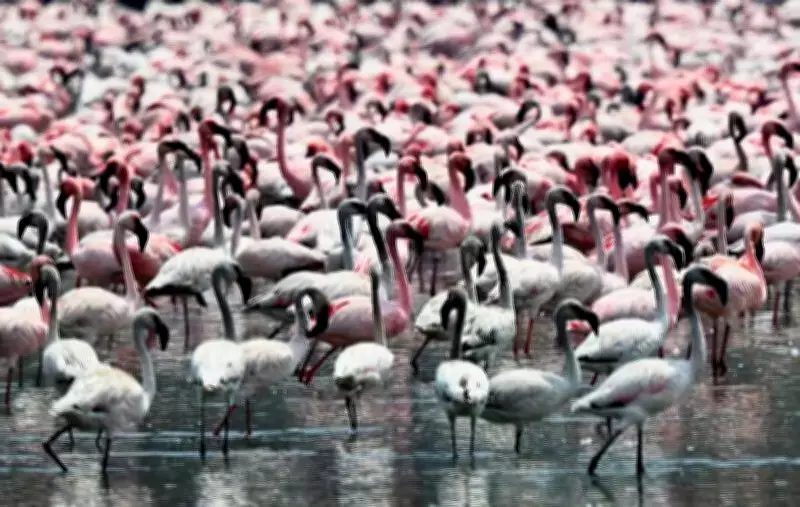
Navi Mumbai has once again welcomed the annual arrival of flamingos, though this season's migration has been marked by notable delays and reduced numbers. Bird enthusiasts and environmentalists have greeted the sight with cautious optimism, as these iconic pink birds remain a vital component of the region's coastal ecosystem and a cherished symbol of its wetland habitats.
Delayed Migration and Smaller Flocks
Typically, flamingos begin arriving along the Mumbai coastline during the October to November migratory window. This year, however, their appearance has been significantly later, with observers noting visibly smaller flocks. Experts speculate that many birds may have remained in Gujarat, particularly in the Kutch region, due to favorable conditions there.
The flamingos that do gather at the Thane Creek Flamingo Sanctuary often move toward Navi Mumbai during high tides, utilizing its wetlands for resting and roosting. This pattern has earned the area the affectionate nickname "Flamingo City."

Environmental Factors Behind the Shift
Environmental observers point to several potential causes for this altered migration pattern. Climate change, prolonged monsoon-like conditions, and the continued availability of water resources in neighboring Gujarat are all considered contributing factors.
According to environmentalist B N Kumar, early sightings in December were followed by the birds returning to Gujarat, suggesting that conditions in some Mumbai wetlands may not have been suitable at that time. This back-and-forth movement highlights the birds' sensitivity to environmental conditions.
Water Quality Concerns and Habitat Issues
Beyond timing and numbers, concerns have been raised about water quality in the region's wetlands. Environmental groups cite water sample test results that reportedly show toxic conditions in certain water bodies, potentially affecting the flamingos' habitat.
While flamingos have now been spotted at the NRI Wetland, they have not yet been observed at DPS Lake. Activists report that DPS Lake remains in poor condition, with a thick layer of algae and signs of organic pollution indicating significant environmental stress.
Call for Legal Protection and Conservation Action
The situation at DPS Lake underscores broader ecological challenges. Beyond immediate water quality issues, the lake awaits formal legal protection. A government resolution to grant it 'conservation reserve' status remains pending clearance at Mantralaya, as revealed through information obtained via the RTI Act.
Environmental advocates, including Virendra Gandhi, Sandeep Sareen, and Rekha Sankhala, have urged authorities to expedite this process. They emphasize that timely protection is crucial for safeguarding the wetland and improving habitat conditions for the returning flamingos, ensuring these magnificent birds continue to grace Navi Mumbai's skies for generations to come.






