

Haryana Forest Department Takes Action Against MCG Over Aravali Pipeline Violation
The Haryana forest department has formally issued a damage report to the Municipal Corporation of Gurugram (MCG) concerning a pipeline laid by the civic body that terminates near a forest waterbody within the Aravali plantation area. This development follows recent inspections and complaints from local residents, highlighting significant environmental concerns in the ecologically sensitive region.
Pipeline Details and Location
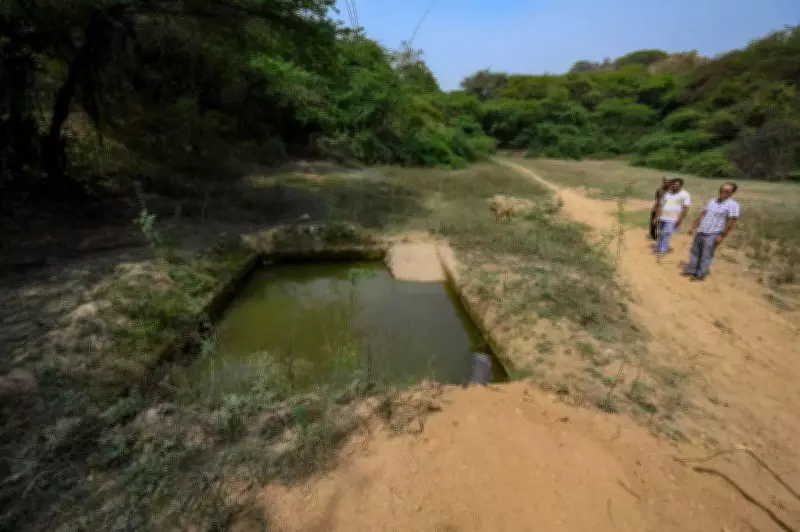
The pipeline in question originates from the MCG-operated Sewage Treatment Plant (STP) in Baliyawas village and is designed to channel treated wastewater toward the forest area. The site is located approximately 10 minutes from Golf Course Extension Road, making it easily accessible yet within a protected zone. During a recent visit, it was observed that the pipeline cuts directly through the notified plantation area and ends close to a small check dam inside the forest.
Residents reported that the pipeline was laid just a few days prior to the inspection, and at that time, wastewater had not yet begun flowing through it. However, the mere presence of such infrastructure has raised alarms about potential environmental degradation.

Forest Department's Response and Legal Implications
On March 17, forest department officials prepared and issued a damage report based on their inspection of the site. A forest official stated, "We issued a damage report on March 17. We will issue a notice to MCG seeking an explanation for this violation. If MCG fails to respond satisfactorily, we will move the environment court." The official emphasized that non-forest activities and the dumping of wastewater are strictly prohibited in Aravali plantation areas under existing regulations.
This action comes shortly after reports surfaced that the pipeline had been laid without proper permission, prompting strong objections from local residents. The pipeline's termination point is near a water structure created by the forest department as part of conservation efforts in the Aravali hills, intended for groundwater recharge and wildlife use.
Resident Complaints and Environmental Risks
In a formal complaint submitted to the divisional forest officer (territorial), residents expressed deep concerns about the potential contamination of water meant for animals and the surrounding ecosystem. They warned that even treated STP water could introduce pollutants, posing risks to wildlife and groundwater sources.
The complaint highlighted several specific risks associated with the proposed discharge:
- Pathogens and chemical contaminants present in treated wastewater
- Heavy metals and microplastics that could persist despite treatment
- Potential groundwater contamination through percolation via check dams
- Degradation of the ecological corridor connected to the Asola Bhatti Wildlife Sanctuary
Residents pointed out that the waterhole near the pipeline outlet is regularly filled with safe drinking water for wildlife and forms part of an important ecological corridor. The discharge of treated wastewater could compromise this vital resource and harm the delicate balance of the local environment.
Legal Framework and Historical Context
The Aravali plantation project was launched in the 1990s with the goal of restoring degraded hills across southern Haryana. It covered nearly 33,000 hectares across six districts and was later notified under the Forest (Conservation) Act, 1980, following a Supreme Court ruling in 2004. This Act strictly restricts non-forest activities, including construction and infrastructure work, without prior approval from the central government.
Experts have noted that the proposed discharge could also face scrutiny under the Water (Prevention and Control of Pollution) Act, 1974. This legislation requires prior consent from the pollution control board before any sewage or effluent is released into waterbodies, adding another layer of regulatory oversight to the situation.

Mapping and Classification Details
Mapping records and GIS data reviewed confirm that the land where the pipeline terminates is classified as Aravali Plantation, spanning approximately 95 hectares. This classification underscores the protected status of the area and the importance of maintaining its ecological integrity.
The forest department's damage report represents a significant step in addressing what appears to be a clear violation of environmental protections. As the situation develops, MCG's response to the notice will be crucial in determining whether further legal action will be pursued through the environment court.
This incident highlights the ongoing tension between urban development and environmental conservation in rapidly growing regions like Gurugram. It serves as a reminder of the importance of adhering to regulatory frameworks designed to protect sensitive ecosystems from potentially harmful infrastructure projects.





